

Private Turkey Tours
Explore Turkey through private, tailor-made tours designed around your dates, interests and preferred pace. Adventus Travel combines licensed private guiding, private transportation and carefully structured itineraries across Cappadocia, Istanbul, Ephesus, the Mediterranean, Black Sea, Central Anatolia and Southeastern Turkey.
Choose an existing private tour as your starting point or tell us how you would like to travel and we can shape the route around you. From a focused few days in Cappadocia to multi-region itineraries across Turkey, each program is planned with attention to geography, timing, comfort and the experiences that matter most to you.
Explore All Private Tours
Design Your Trip

Private Travel With Adventus
100% Private
Your guide, vehicle and daily schedule are arranged around your party rather than a shared group.
Tailor-Made Planning
Routes can be adapted to your interests, available time, preferred pace and accommodation style.
Licensed Local Guides
Guide selection is based on regional knowledge, communication style and the themes that matter most to your trip.
Turkey-Based Operations
Adventus coordinates private travel directly through its local network and operational base in Turkey. These are all strengths already present in the existing page, but they are now moved to the first screen where they support the purchasing decision instead of appearing after long editorial sections.

Find Your Private Turkey Tour
Private travel in Turkey can take many forms. Some travellers want to connect the country’s major regions in one itinerary, while others prefer to explore a single destination in greater depth. The tours below are organized by the type of trip they create, making it easier to identify the most relevant starting point.
Signature & Multi-Region Private Tours
15-Day Turkey Tour • Istanbul, Cappadocia & Mesopotamia
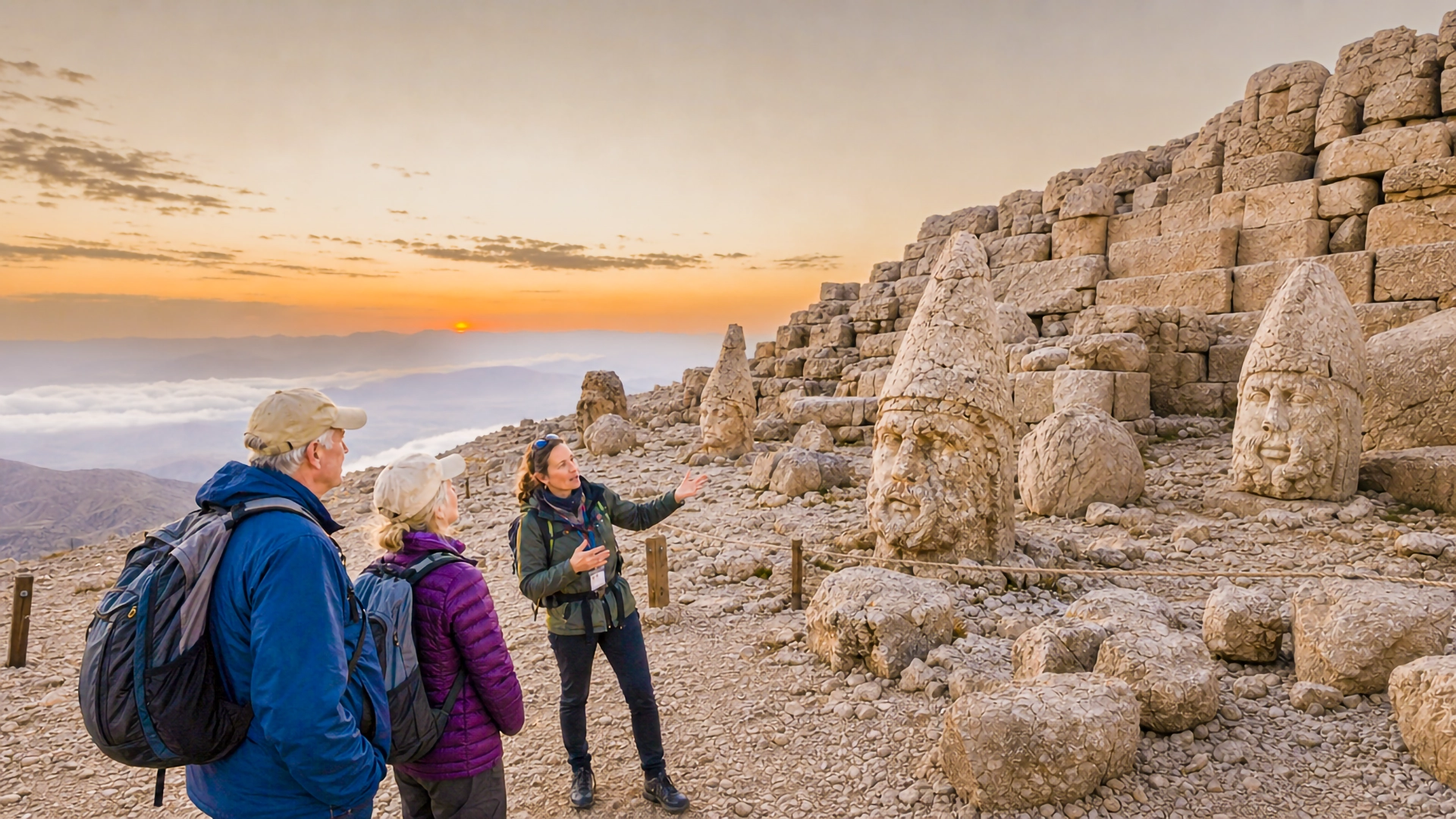
A signature 15-day private journey connecting Istanbul, Cappadocia and Southeastern Turkey through one continuous route. The itinerary combines imperial heritage, Cappadocia’s landscapes and living culture with Gaziantep, Halfeti, Şanlıurfa, Göbeklitepe, Mardin and Mount Nemrut, making it particularly suited to travellers who want to experience Turkey’s regional diversity in greater depth.
Best of Turkey Tour
A multi-region private itinerary designed for travellers who want to experience several of Turkey’s major cultural landscapes within one coherent route. It is a strong starting point for a first trip that combines major historical sites with regional variety.

Istanbul to Cappadocia Tour
Connect Turkey’s imperial capital with the rock-cut landscapes of Central Anatolia in a private route combining Istanbul and Cappadocia. This tour is particularly suitable for travellers with limited time who want to experience two of the country’s most distinctive destinations without building the logistics independently.

Mediterranean & Lycian Heritage Tour
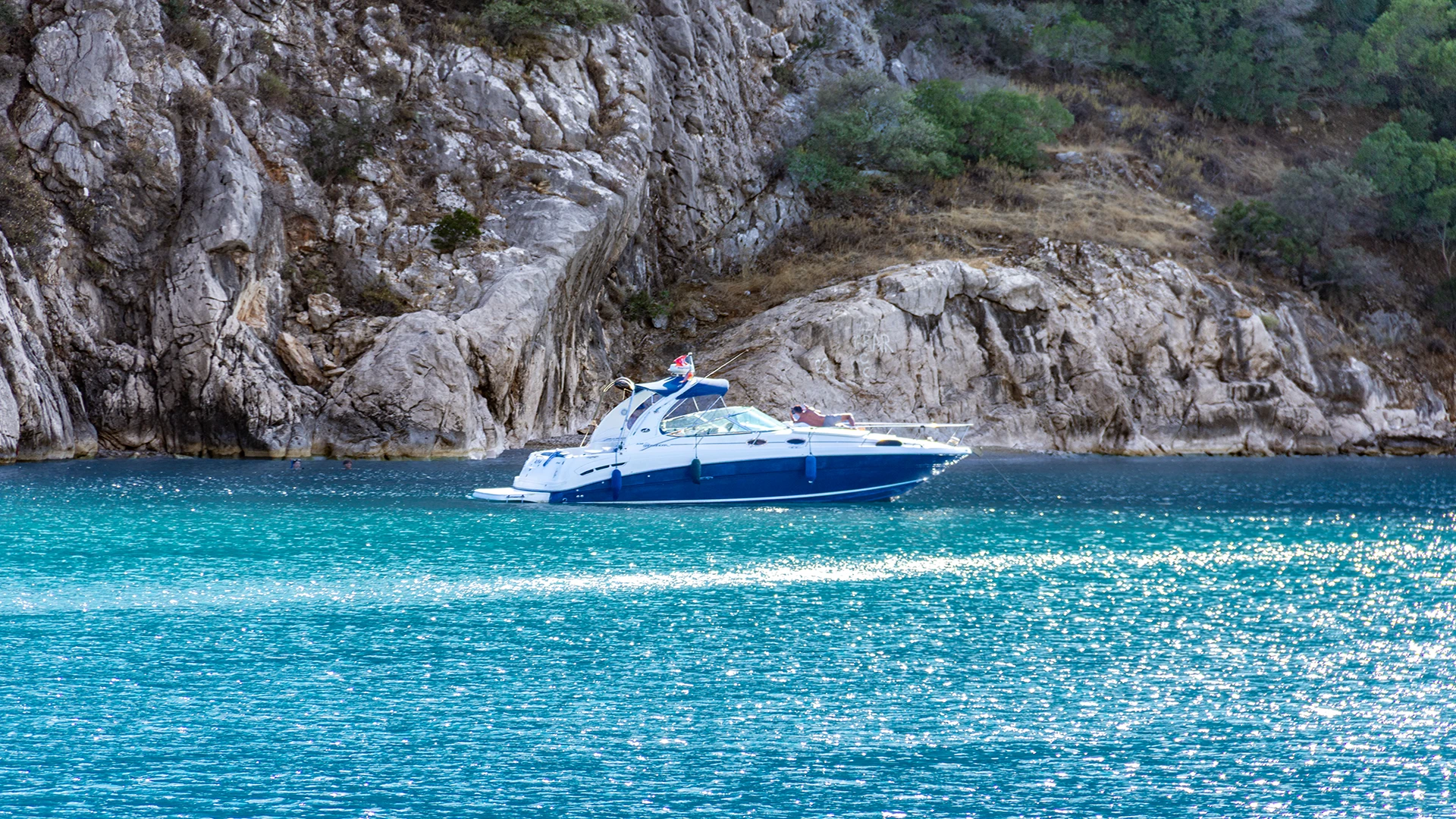
Explore southern Turkey through ancient Lycian cities, Mediterranean landscapes and coastal heritage. This route is designed for travellers who want archaeology and cultural context alongside the scenery of Turkey’s southern coast.
Private Cappadocia Tours
Cappadocia offers several different ways to explore the region, from focused one-day routes to longer programs that move beyond the best-known highlights. The right choice depends mainly on how much time you have and whether your priority is major landmarks, underground cities, villages, hiking, archaeology or a broader regional experience.
Highlights of Cappadocia Tour
A focused introduction to Cappadocia’s major landscapes and cultural heritage, designed for travellers who want to understand the region’s essential character within a single private day.
Green Tour Cappadocia
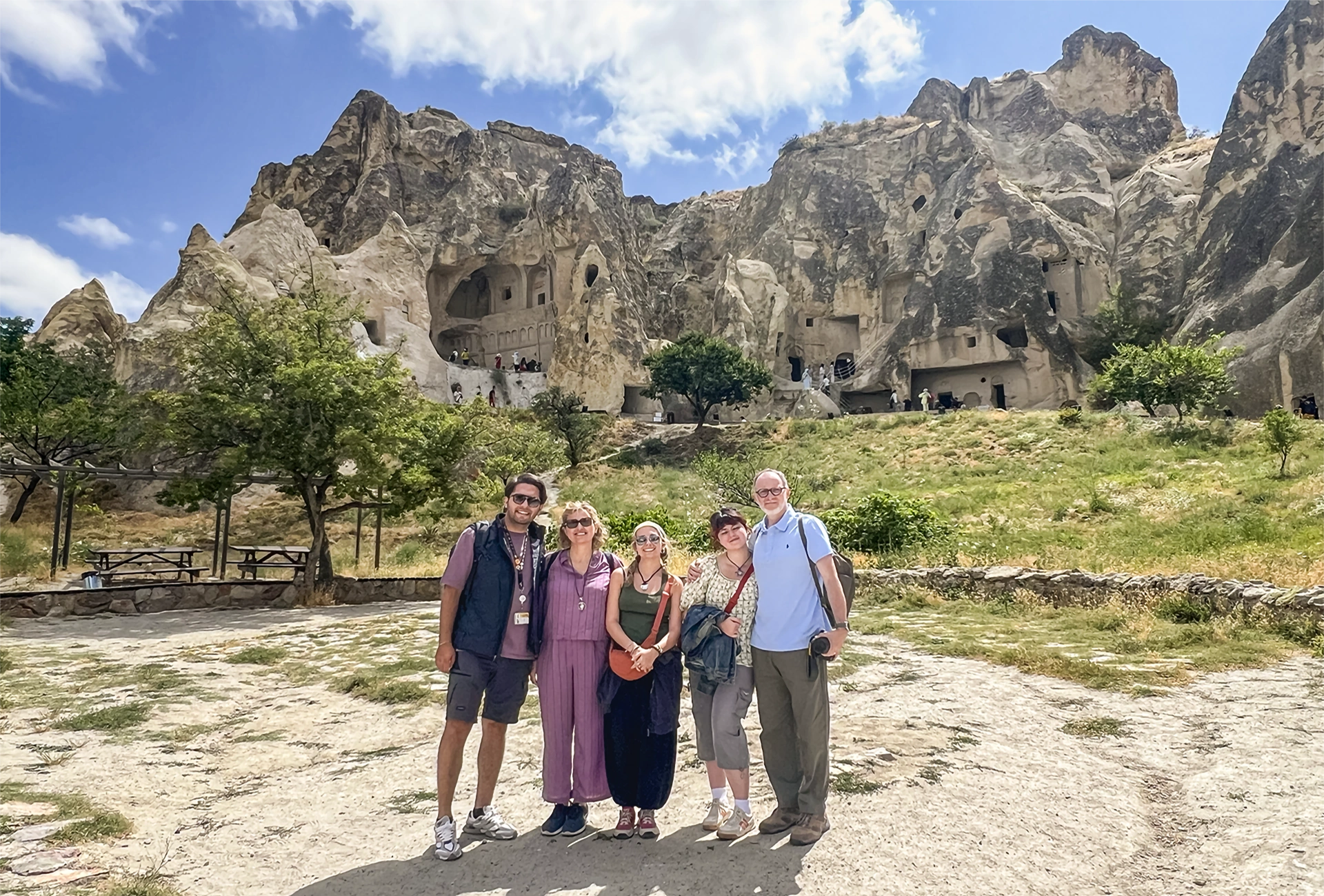
A southern Cappadocia route combining underground heritage with the wider landscape around Ihlara Valley. It works particularly well for travellers interested in the relationship between settlement, geology and the region’s more distant sites.
Blue Tour Cappadocia
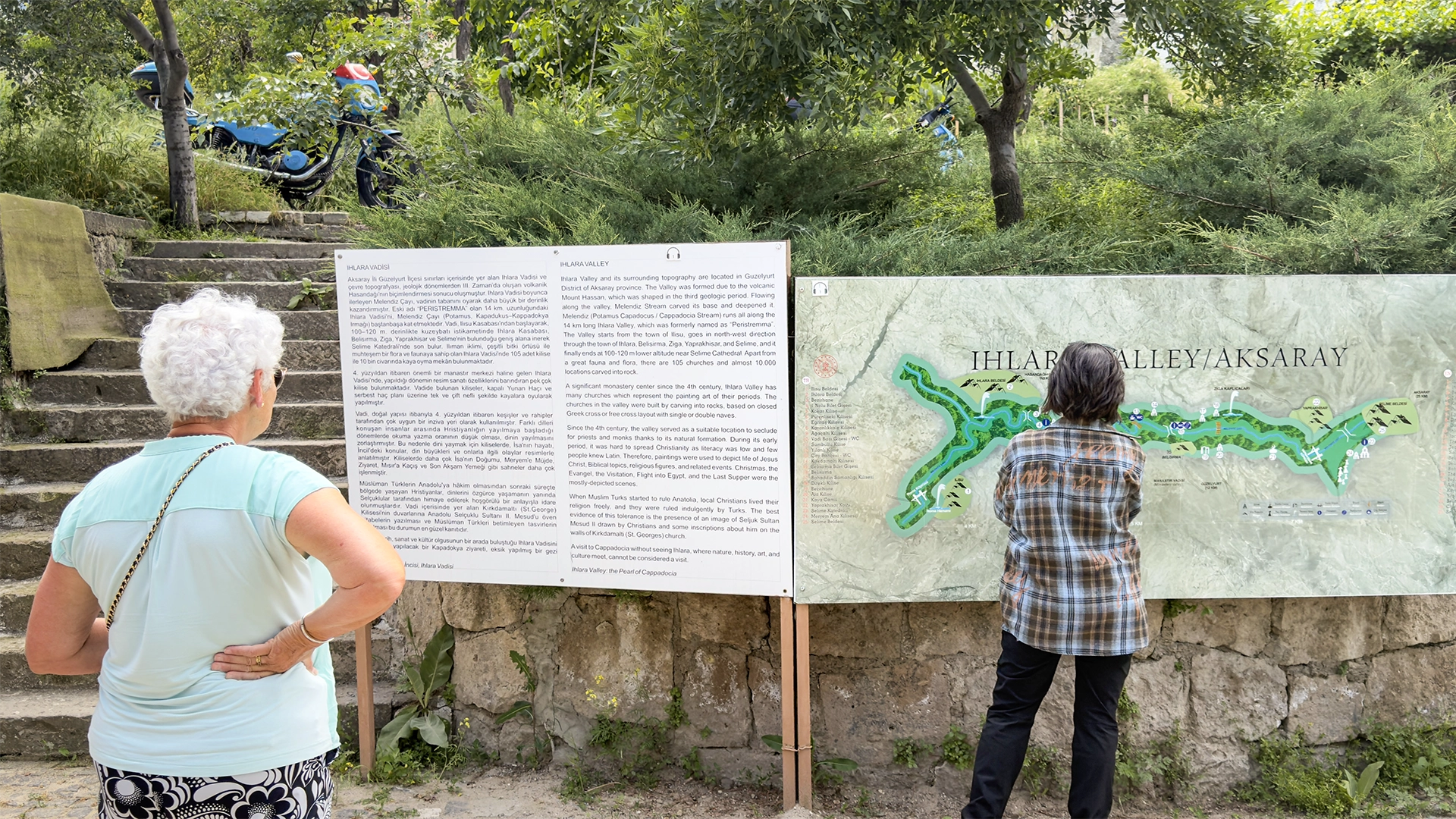
A private route through villages, valleys and lesser-visited areas of southern Cappadocia, offering a different perspective from the region’s most familiar sightseeing circuit.

3 Days Cappadocia Tour
A balanced multi-day program for first-time visitors who want enough time to combine major heritage sites, valleys and regional experiences without compressing Cappadocia into one or two days.
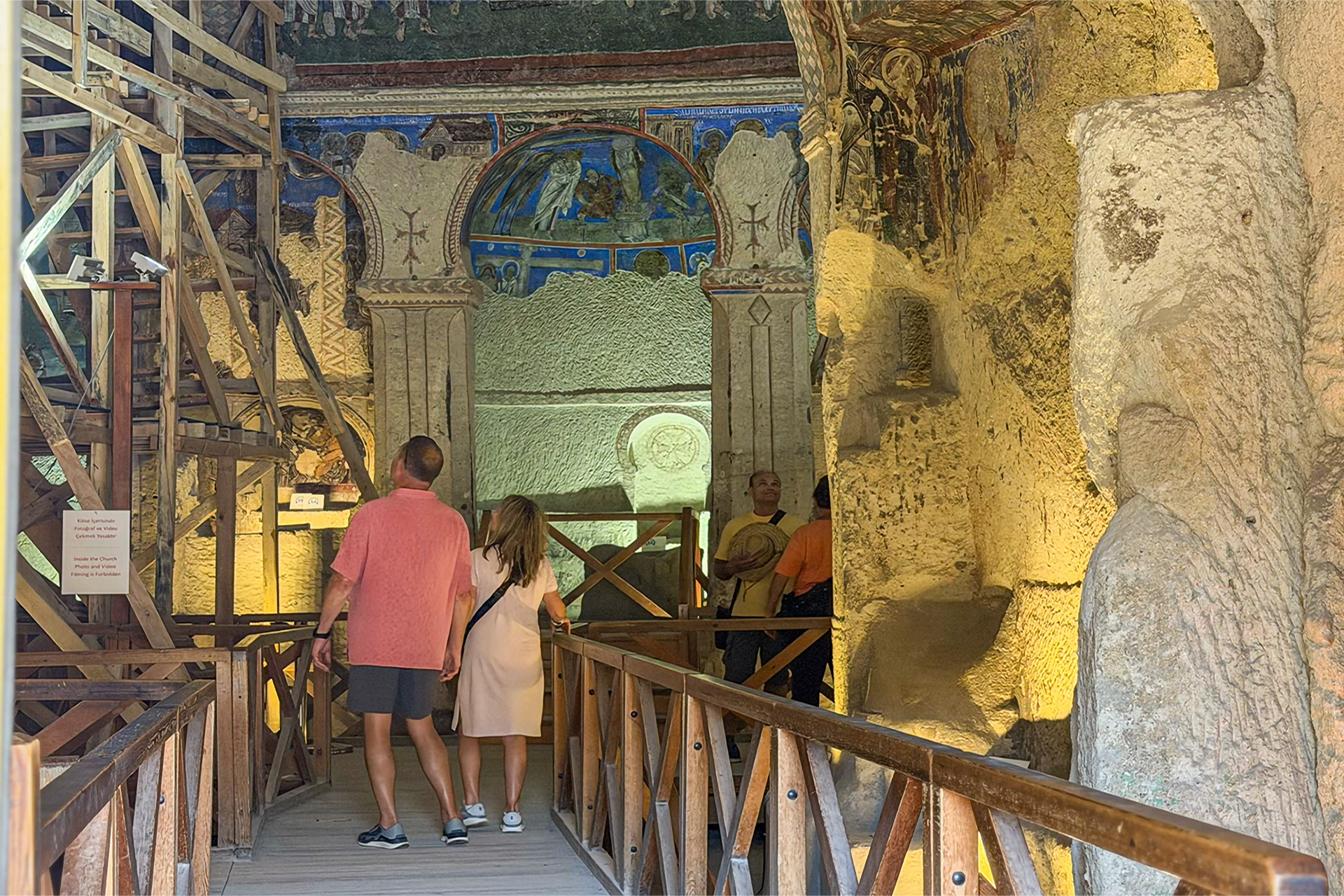
5 Days Cappadocia Tour
A deeper Cappadocia program that allows more time for regional variation, specialist sites, cultural experiences and a slower pace across the landscape.

Cappadocia Hiking Tour • Valleys & Local Experiences
A five-day private itinerary designed for travellers who want hiking to become the main way of experiencing Cappadocia. The route combines longer walks through Ihlara Valley and Avla Canyon with Red, Swords and Görkündere valleys, while also including Kaymaklı Underground City, Göreme Open Air Museum, Soğanlı Valley, Paşabağ, Zelve and local cultural experiences.
It is particularly suited to active travellers who prefer slower exploration on foot without turning the trip into a technical trekking program.
Explore Beyond Classic Cappadocia
Travellers with more time in the region can move beyond the standard sightseeing routes and explore Cappadocia’s connections with Central Anatolia, monastic heritage and the surrounding mountain landscapes. These tours are particularly suitable for repeat visitors, specialist interests and travellers building a longer private itinerary around Cappadocia.
Gümüşler Monastery Tour
Travel beyond central Cappadocia to explore one of Central Anatolia’s most distinctive rock-cut monastic complexes. This private route is well suited to travellers interested in Byzantine art, monastic architecture and the wider religious landscape surrounding Cappadocia.

Hittite Empire Tour
Explore the political and archaeological landscape of the Hittite world through a private route into Central Anatolia. This tour is designed for travellers whose interests extend beyond the classical and Byzantine periods into the Bronze Age civilizations that shaped Anatolia much earlier.

Cappadocia Nature Tour
A landscape-focused route for travellers who want to experience a different side of Central Anatolia through mountain scenery, open terrain and nature rather than a conventional archaeological circuit.

Rumi’s Konya Tour
Connect Cappadocia with Konya through a private cultural route focused on Rumi, the Mevlevi tradition and Seljuk heritage. It is a natural addition for travellers interested in religious history, philosophy and the intellectual traditions of medieval Anatolia.

Private Istanbul Tours
Istanbul can be explored as a focused city stay or as the starting point for a longer private itinerary across Turkey. For first-time visitors, a private format can make it easier to connect the city’s major historical layers without reducing the experience to a sequence of isolated monuments.
Istanbul Sightseeing Tour
A private introduction to Istanbul’s historic core, designed around the city’s major Byzantine and Ottoman landmarks. This tour is a practical starting point for travellers who want a structured overview while retaining flexibility in pace and emphasis.
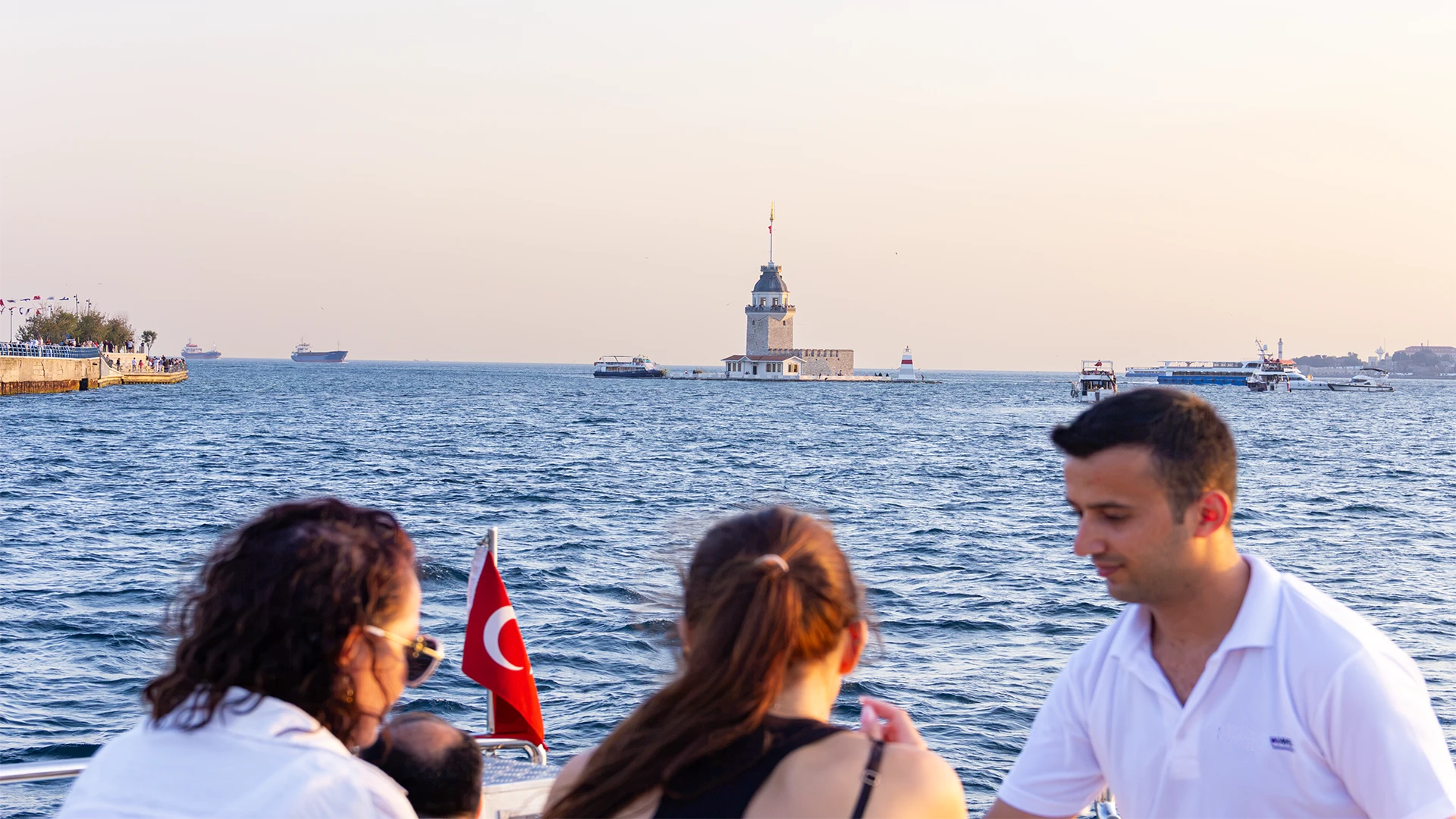
Istanbul to Cappadocia Tour
A multi-destination private itinerary linking Istanbul with Cappadocia. It is particularly suitable for travellers who want to combine two of Turkey’s most requested destinations within one coordinated route rather than arranging the transition independently.
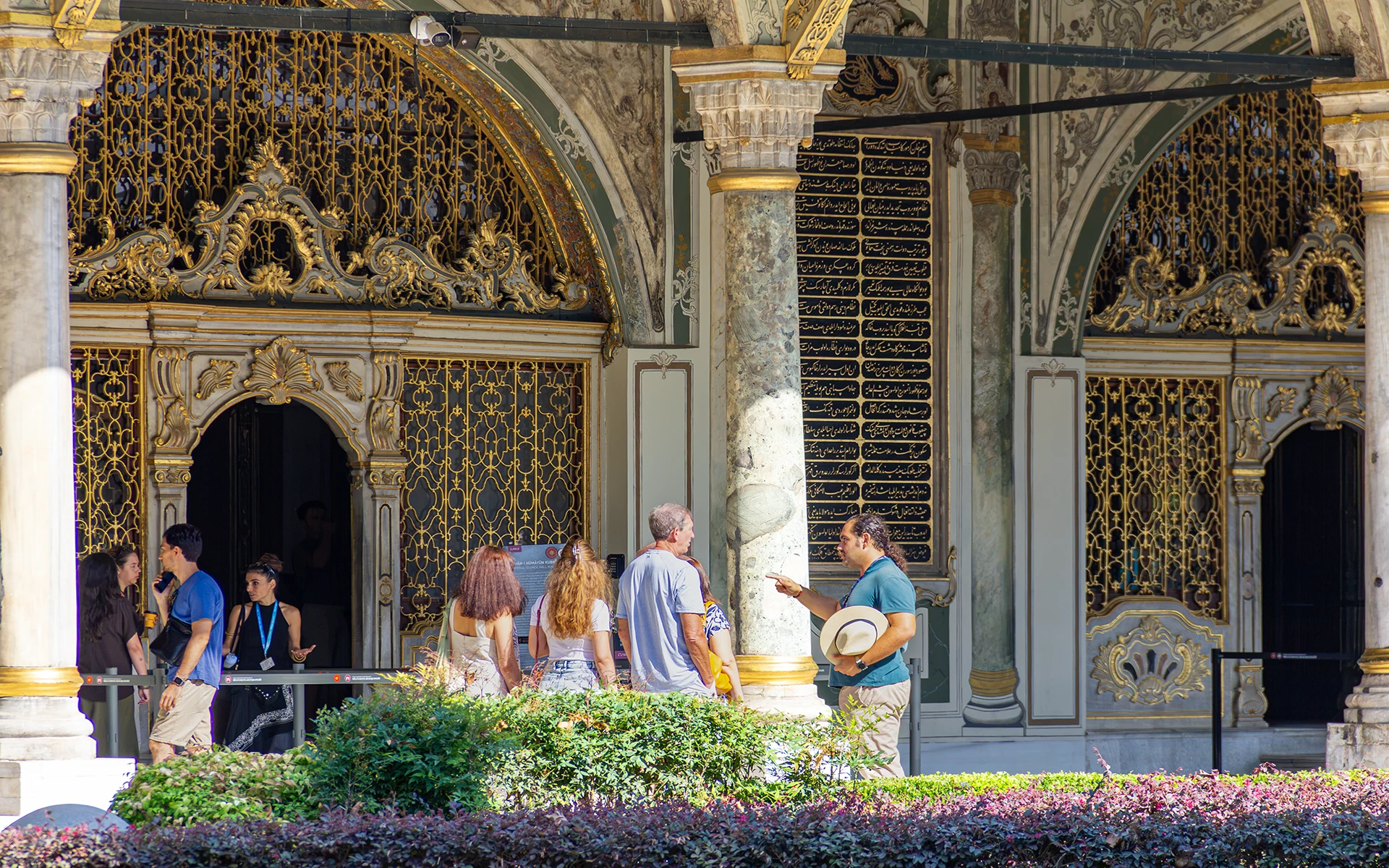
Private Ephesus & Western Turkey Tours
Western Turkey brings together some of the country’s most important classical sites, Aegean landscapes and historic urban centres. Private touring is particularly useful here when travellers want to combine Ephesus with destinations such as Pamukkale or incorporate the region into a wider Turkey itinerary.
Best of Turkey Tour
For travellers who want Ephesus as part of a broader first-time route, the Best of Turkey Tour connects western Anatolia with several of the country’s major regions in one private itinerary. Rather than treating Ephesus as an isolated stop, the route places it within the wider cultural geography of Turkey.

Istanbul, Ephesus & Pamukkale Tour
A focused private route combining Istanbul with two of western Turkey’s most important destinations. This itinerary is suited to travellers who want a shorter multi-region trip centred on imperial history, classical archaeology and the landscape of Pamukkale.
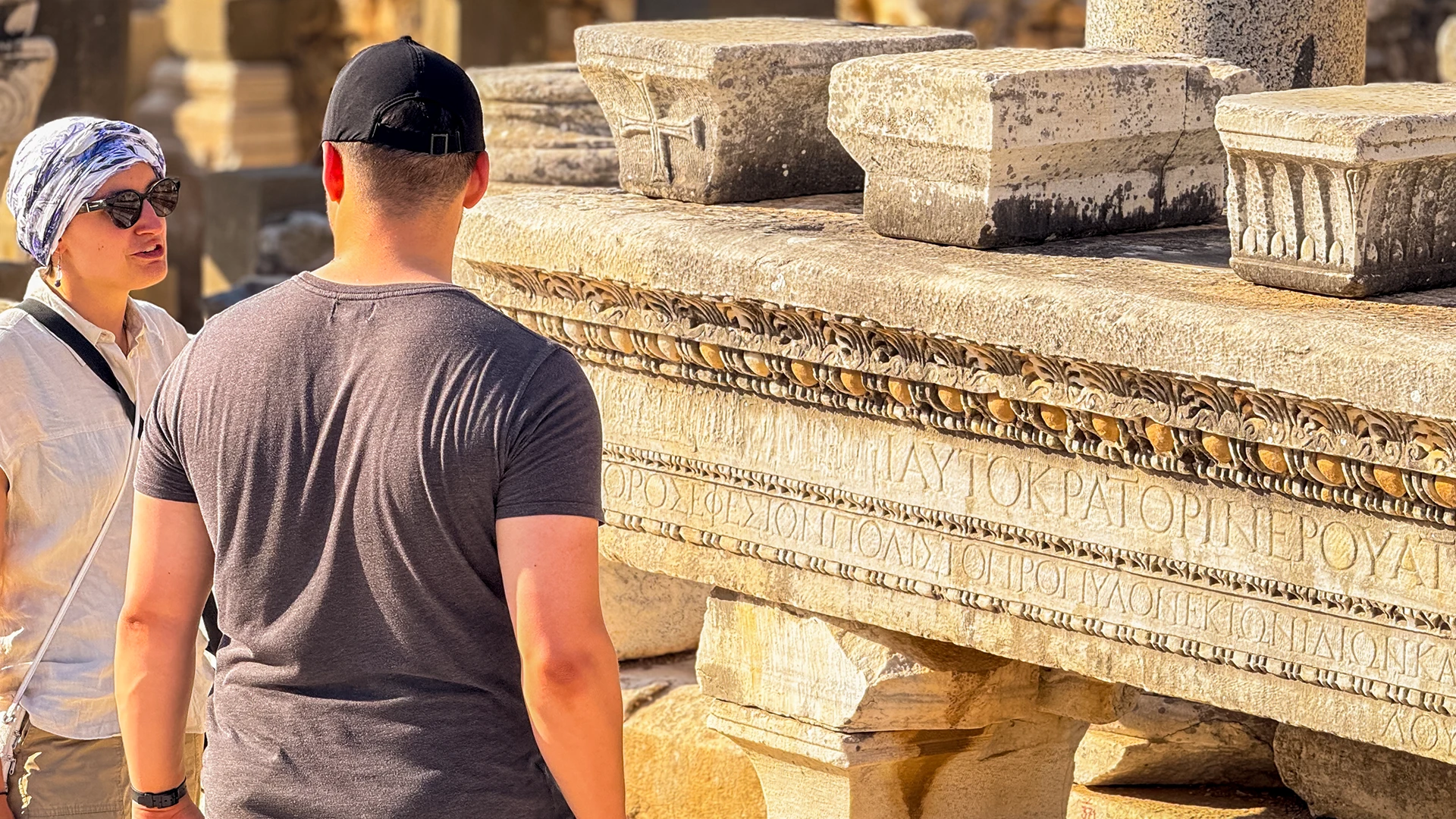
Ephesus to Pamukkale 3-Day Tour
A compact private itinerary connecting Ephesus and Pamukkale over several days, allowing more time for the region than a single-day transfer route. It works well for travellers already arriving in western Turkey or adding the Aegean region to a longer trip.

Central Anatolia Beyond Cappadocia
Cappadocia often becomes the entry point to Central Anatolia, but the wider region includes important archaeological, religious and cultural landscapes that can add considerable depth to a private itinerary. These routes are most relevant to travellers with specialist interests or enough time to move beyond Turkey’s most familiar destinations.
The Hittite Empire Tour, Rumi’s Konya Tour and Gümüşler Monastery Tour each extend the journey in a different direction, from Bronze Age political centres to Seljuk and Mevlevi heritage and the broader tradition of rock-cut monastic architecture. Rather than adding these places as isolated excursions, they can be integrated into a longer route when the traveller’s interests and available time justify the extension.
Private Mediterranean & Lycian Coast Tours
Southern Turkey offers a very different rhythm from the country’s inland cultural routes, combining archaeology, ancient ports, mountain landscapes and the Mediterranean coast. These private itineraries work particularly well for travellers who want cultural depth without separating historical exploration from the natural setting around it.
Mediterranean & Lycian Heritage Tour
A private route through the archaeological and coastal landscapes of ancient Lycia, connecting historic cities, maritime heritage and the geography of southern Turkey. It is particularly suitable for travellers who want archaeology to remain central while still experiencing the Mediterranean character of the region.
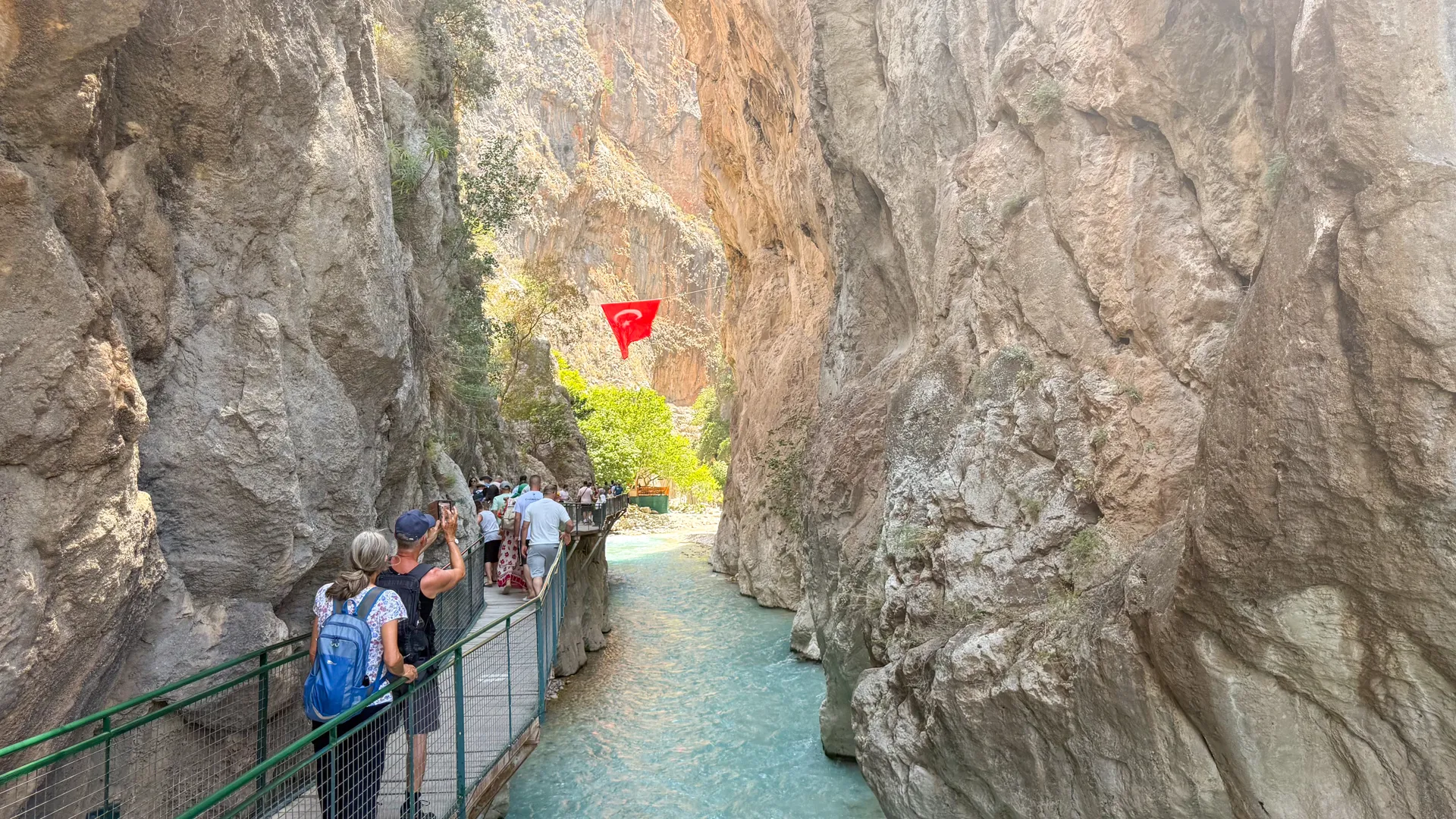
Cappadocia to Fethiye: Heritage & Turquoise Coast
A multi-region itinerary linking the volcanic landscapes of Cappadocia with southern Turkey and the Mediterranean coast. The route is designed for travellers who want to move beyond a conventional Cappadocia stay and continue toward archaeological sites, coastal heritage and the landscapes around Antalya, Kaş and Fethiye.
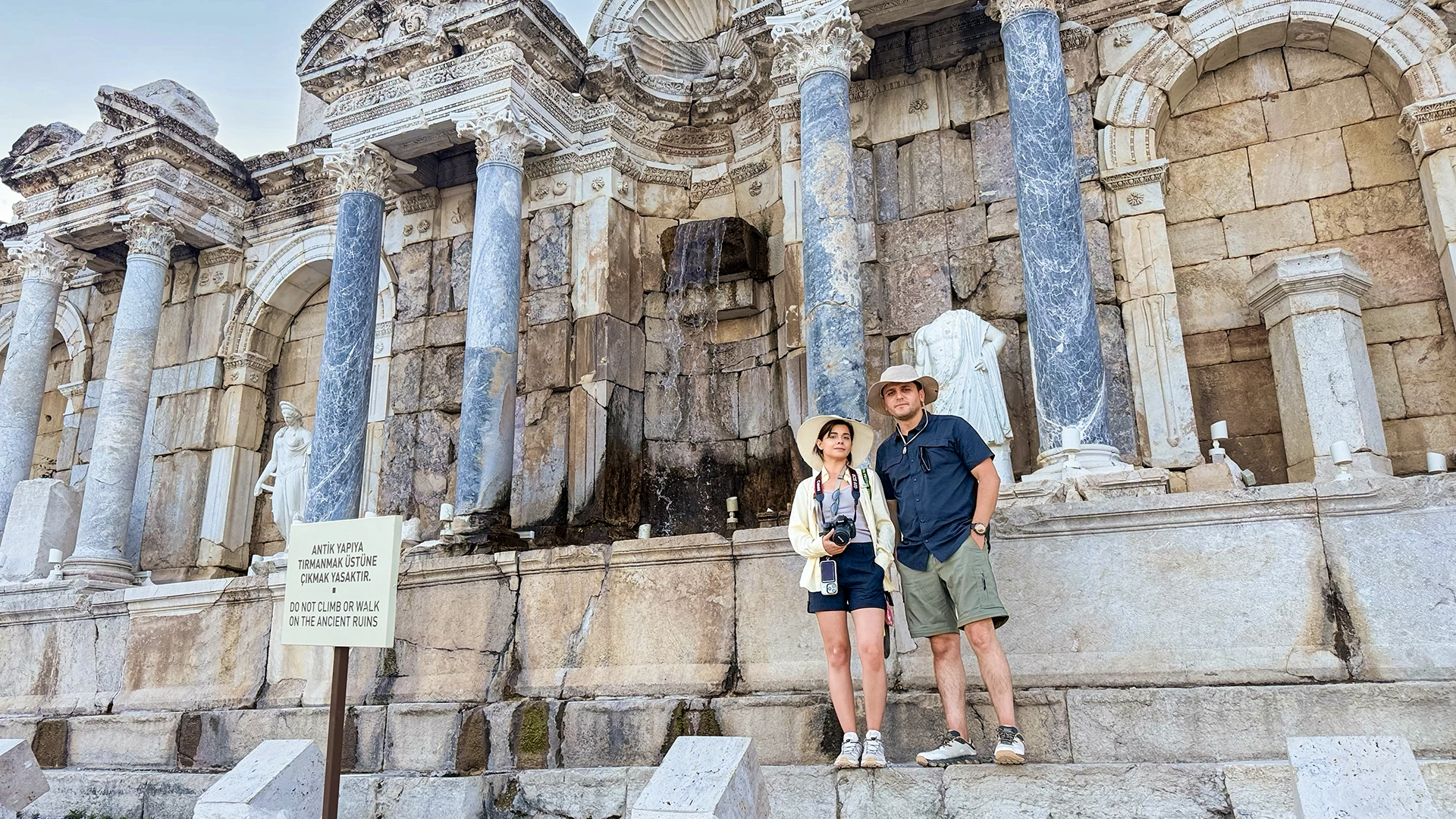
Antalya Signature Tour • Ancient Cities & Turquoise Coast
A five-day private itinerary designed to explore Antalya beyond its beaches, combining ancient cities, Taurus Mountain landscapes, canyons, and slower Mediterranean time. The route connects Kaleiçi with Selge and Köprülü Canyon, Perge and Aspendos, two nights in Çıralı, Olympos Ancient City, a private boat experience, and Tahtalı Mountain.
Rather than maintaining the same sightseeing intensity throughout the trip, the itinerary alternates archaeology and active exploration with coastal time. It is particularly suited to travelers who want Antalya’s history, landscape, and Mediterranean character within one carefully paced private route.
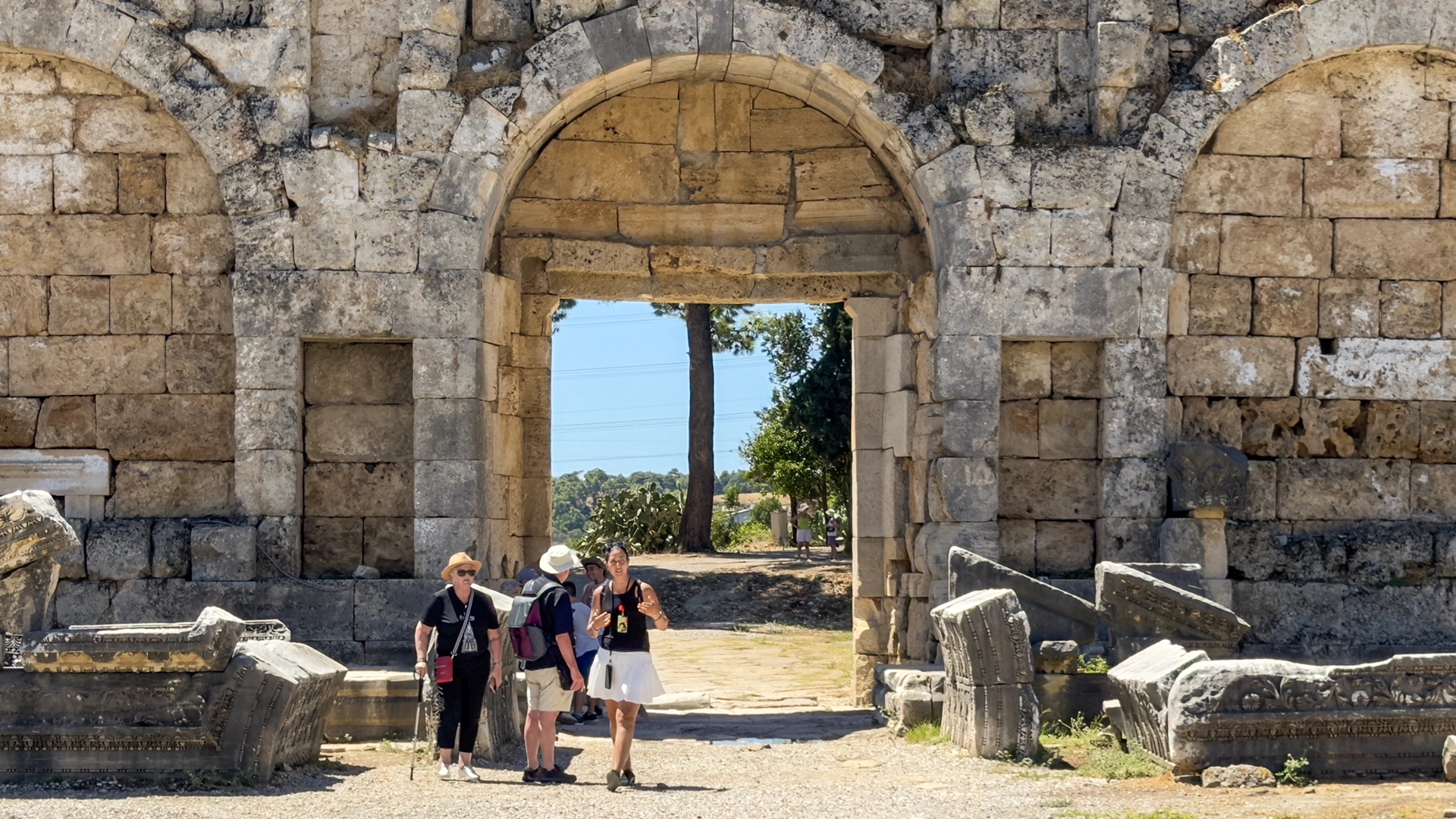
Private Black Sea Tours
Turkey’s Black Sea region is shaped by a very different combination of geography, settlement and cultural life. Mountain roads, highland communities, historic towns, monasteries and coastal landscapes make route planning particularly important here, especially when several regions are combined within the same trip.
Black Sea Coast Turkey Tour
A private route through northern Turkey combining historic towns, mountain landscapes, monastic heritage and the highlands of the eastern Black Sea. The itinerary is suited to travellers who want to explore a less familiar side of Turkey through regional culture, nature and a slower progression across the landscape.
Because distances and road conditions play a greater role in Black Sea travel than in compact destinations such as Cappadocia, private planning allows the itinerary to be structured around realistic driving times, meaningful stops and the traveller’s preferred pace rather than a fixed group schedule.

Private Southeastern Turkey Tours
Southeastern Turkey brings together some of Anatolia’s earliest archaeological sites with historic cities, regional cuisine and cultural traditions that remain strongly connected to everyday life. These itineraries are especially rewarding for travellers whose interests extend beyond Turkey’s classical and Ottoman heritage into the Neolithic world and the deeper history of settlement in Anatolia.
Gaziantep to Göbeklitepe Tour
A private cultural and archaeological route connecting Gaziantep with Şanlıurfa and Göbeklitepe. It is designed for travellers who want to combine early human history with the living food culture and urban heritage of southeastern Turkey rather than treating Göbeklitepe as an isolated archaeological stop.
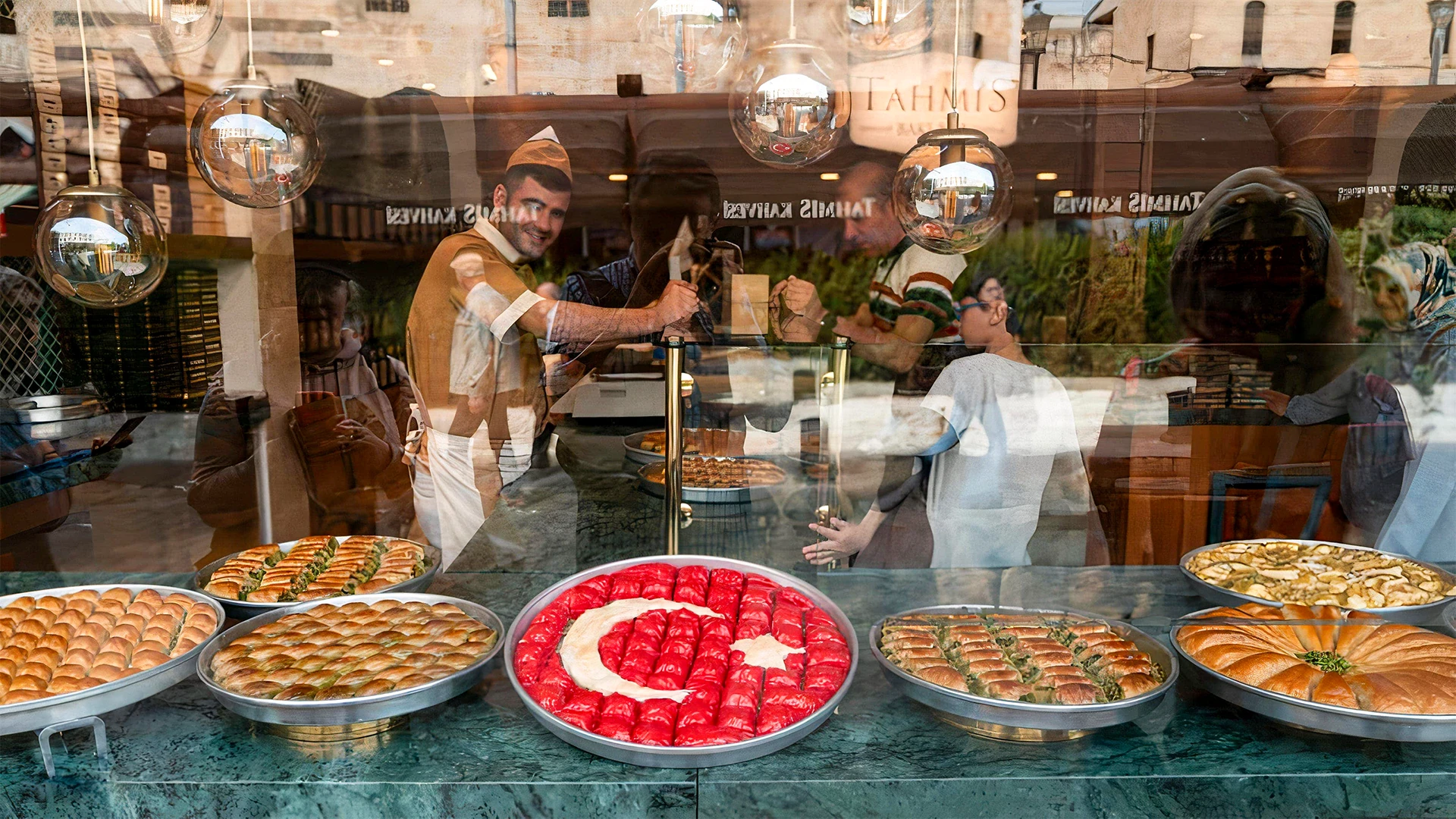
Southeastern Turkey Awakens
A broader multi-day exploration of southeastern Turkey, bringing together archaeology, historic cities and regional culture across one of the country’s most distinctive landscapes. This itinerary works particularly well for travellers who want enough time to understand the relationships between ancient settlement, trade, belief and contemporary life across the region.

Not Sure Which Private Turkey Tour Fits Your Trip?
The right private tour depends less on the number of places included than on how much time you have, what you want to understand and how quickly you prefer to travel. A first visit to Turkey may be best served by a multi-region itinerary, while travellers returning to the country or pursuing a particular interest may gain more from concentrating on one region in greater depth.
| Your Travel Priority | A Good Starting Point |
|---|---|
| Istanbul, Cappadocia and Southeastern Turkey in one in-depth journey | 15-Day Turkey Tour • Istanbul, Cappadocia & Mesopotamia |
| First trip covering several major regions | Best of Turkey Tour |
| Istanbul and Cappadocia in one coordinated itinerary | Istanbul to Cappadocia Tour |
| A focused introduction to Cappadocia | Highlights of Cappadocia Tour |
| Three days in Cappadocia | 3 Days Cappadocia Tour |
| A deeper Cappadocia stay | 5 Days Cappadocia Tour |
| Hiking, valleys and active exploration in Cappadocia | Cappadocia Hiking Tour • Valleys & Local Experiences |
| Archaeology and ancient civilizations | Hittite Empire Tour or Southeastern Turkey tours |
| Mediterranean archaeology and coastal landscapes | Mediterranean & Lycian Heritage Tour |
| Cappadocia followed by the Mediterranean coast | Cappadocia to Fethiye: Heritage & Turquoise Coast |
| Nature, highlands and regional culture | Black Sea Coast Turkey Tour |
These tours are starting points rather than rigid templates. If your interests cross several regions, or if none of the existing routes matches the way you want to travel, the itinerary can be reorganized around your dates, preferred pace and priorities.
Explore All Private Tours
Design Your Trip
How Private Travel With Adventus Works
A private tour becomes valuable when the itinerary reflects the traveller rather than forcing the traveller into a fixed program. At Adventus, planning begins with the practical details of the trip, but it also considers how you prefer to travel, what interests you most and how much depth you want from each destination.
The result is not simply a private vehicle and guide attached to a standard itinerary. It is a route designed around time, geography, pace and the type of experience you want to have. This approach builds on the planning, guide matching, pace management and operational structure already central to the existing Private Turkey Tours page.
We Start With the Traveller
Before defining the route, we look at the factors that will shape the trip most directly: your available dates, interests, preferred pace, accommodation style and any mobility or dietary considerations that may affect planning.
Some travellers want to cover several regions efficiently. Others prefer fewer places with more time for archaeology, food, photography, hiking or local culture. Families, couples, older travellers and multi-generational groups may also require very different daily rhythms, even when visiting the same destinations.
Understanding these differences first allows the itinerary to be built around the traveller rather than around a predetermined sequence of stops.
We Design the Route Around Geography and Time
Turkey is a large country, and good route design depends on more than choosing attractive destinations. Driving times, domestic flights, seasonal conditions, visitor density and the relationship between regions all influence how comfortable and coherent an itinerary will feel.
A route that looks simple on a map may involve unnecessary transfers or long days if the sequence is poorly planned. For that reason, we consider where to travel by road, where a flight makes better use of time, how many major visits belong in one day and where a slower pace will improve the experience.
This is particularly important on multi-region tours, where good planning can mean the difference between spending the trip constantly moving and having enough time to engage meaningfully with each destination.
We Match Guides to the Trip
Licensed guiding is a central part of private travel in Turkey, but the right guide is not determined by licensing alone. Regional familiarity, communication style and thematic expertise can significantly affect how a destination is experienced.
A traveller with a strong interest in archaeology may benefit from a different interpretative approach than someone focused on food culture, religious history or contemporary life. The same principle applies across regions, since guiding Istanbul, Cappadocia, Ephesus or Southeastern Turkey requires different field knowledge and local familiarity.
Adventus therefore considers both the destination and the interests of the traveller when coordinating guiding for a private itinerary. This guide-matching principle is one of the stronger operational elements already established in the original page.
We Coordinate the Details Behind the Tour
Much of a well-run private trip should remain almost invisible to the traveller. Vehicle planning, transfer timing, site entrances, accommodation logistics, domestic transportation and daily coordination all need to work together without becoming the focus of the experience.
Where advance reservations are useful, they can be incorporated into the itinerary. Where timing matters because of heat, crowds or distance, the order of the day can be adjusted accordingly. Longer routes are also structured with enough variation between intensive cultural visits, travel days and lighter periods so that the itinerary remains sustainable.
This operational layer is particularly important when several regions are connected within the same trip.
We Keep the Itinerary Flexible
Private travel offers more room for adjustment than a fixed group program, but flexibility works best when it remains grounded in practical reality. Spending longer at a site, changing the pace of a day or shifting emphasis toward a particular interest can often be accommodated when distances, reservations and opening conditions allow.
The itinerary therefore provides structure without becoming unnecessarily rigid. It establishes a clear route while preserving enough flexibility to respond to the way the trip develops once you are in Turkey.
What Does “Private” Actually Change?
A private tour and a small-group tour can visit the same monuments, landscapes and cities, but the way the trip is experienced can be very different. The distinction is not simply the number of people in the vehicle. It affects who controls the pace, how much flexibility exists and how closely the guiding and daily structure can respond to your interests.
| Travel Element | Small Group Tour | Private Turkey Tour |
|---|---|---|
| Daily pace | Based on the group schedule | Adjusted around your party |
| Route | Predetermined | Can be adapted within logistical limits |
| Guiding | General interpretation for the group | Greater focus on your interests and questions |
| Transportation | Shared | Private vehicle for your party |
| Visit duration | Fixed around the program | More flexible when timing allows |
| Rest and meal breaks | Group-based | Adjusted to your preferred rhythm |
| Families and multi-generational travel | Limited flexibility | Easier to adapt around different needs |
| Specialist interests | Usually secondary to the group program | Can shape the content and route |
Neither format is automatically right for every traveller. Small-group tours can offer a more economical and social way to travel, while private tours are better suited to travellers who place greater value on flexibility, individual attention and control over how their time is used.
For a more detailed comparison of cost, flexibility and travel style, continue with our Private vs. Group Tours in Turkey guide.
Planning a Private Turkey Tour
A private itinerary works best when the route is built around the realities of the trip rather than around a list of destinations. The number of days available, the regions you want to combine, your preferred pace and the amount of time you are comfortable spending on the road all influence how the itinerary should be structured.
For some travelers, the priority is to experience Istanbul, Cappadocia and Ephesus within one trip. Others may prefer to spend more time in a single region, add archaeological sites beyond the classic route, include the Mediterranean coast or travel through parts of Turkey that receive fewer international visitors. Private planning makes it possible to build around these differences instead of forcing every traveler into the same sequence.
How Many Days Do You Need?
There is no single ideal length for a private Turkey tour. The right duration depends on how many regions you want to visit and how much time you want to spend within each one.
A shorter itinerary usually requires stronger choices. Istanbul and Cappadocia can form a focused trip, while adding Ephesus, Pamukkale, the Mediterranean, Black Sea or Southeastern Turkey requires additional time if the route is to remain comfortable.
As a general planning principle, 7 to 10 days can work well for a selective first visit, while 10 to 14 days allows several regions to be connected with greater balance. Longer trips create more room for specialist interests, slower travel and destinations beyond the most frequently visited routes.
What Can Be Tailored?
Private travel does not require every part of the trip to be invented from the beginning. An existing itinerary can provide a useful starting point and then be adapted around your priorities.
Depending on the route, planning can take into account:
- travel dates and total trip length
- preferred destinations and interests
- daily pace and amount of free time
- accommodation preferences
- walking and mobility considerations
- dietary requirements
- family or multi-generational travel
- photography, archaeology, food, nature or religious heritage interests
- domestic flights versus overland travel
- optional experiences and activities
The objective is not to change an itinerary simply for the sake of customization. Adjustments should make the route more appropriate for the people actually traveling.
What Should You Book in Advance?
The amount of advance planning required varies by season and by the experiences included in the trip. Accommodation, domestic transportation and specialist guiding become more important to secure early during popular travel periods, while some activities have limited daily capacity regardless of season.
A private itinerary should therefore establish the important framework in advance while leaving flexibility where advance commitment adds little value. This balance helps protect the main components of the trip without making every day unnecessarily rigid.
Why Plan Your Private Turkey Tour With Adventus?
Adventus Travel is a Turkey-based boutique destination management company specializing in private and tailor-made travel. Our role extends beyond providing a guide or vehicle for individual sightseeing days. We coordinate the route as a whole, bringing together guiding, transportation, accommodation logistics and regional planning within one itinerary.
Our operational base in Cappadocia gives us direct field experience in one of Turkey’s most important travel regions, while our network of licensed professional guides and local partners allows us to coordinate private travel across the country. Guide selection, route design and daily pacing are considered according to the destinations involved and the interests of the travelers.
Local Planning, Not Resold Packages
Adventus designs and operates private itineraries in Turkey rather than functioning simply as a marketplace for tours supplied by unrelated operators. This gives us greater control over how different parts of a trip connect and allows one point of contact to remain responsible for the overall structure.
Guides Chosen for the Trip
A licensed guide is an essential part of many cultural itineraries, but license status alone does not determine whether a guide is right for a particular traveler. Regional experience, communication style and subject knowledge also matter.
Adventus works with professional guides whose backgrounds include archaeology, history, gastronomy, regional culture and religious heritage, allowing guide selection to reflect both the destination and the interests of the guest.
A Route Built as One Trip
When several destinations are involved, each day should not feel like an unrelated tour booked separately from the next. Transportation, accommodation points, sightseeing days and longer transfers need to make sense as one route.
This is especially important when combining regions such as Istanbul, Cappadocia, Ephesus, the Mediterranean or Southeastern Turkey, where poor sequencing can add unnecessary travel time. The aim is to create continuity across the itinerary while preserving enough flexibility for the trip to develop naturally once it begins.
Direct Support Throughout the Planning Process
Private travel often involves decisions before arrival as well as adjustments once the trip is underway. Adventus provides a direct planning point for the itinerary, from the initial route design through the operational details required to deliver it in Turkey.
If you already know where you want to travel, an existing tour can be used as the starting point. If your trip does not fit one of our published itineraries, you can design your own private tour around your dates, interests and preferred pace.
Plan Your Private Turkey Tour With Confidence
Choosing the itinerary is only one part of planning a private trip. Travellers also need to understand how pricing works, what services are included, how much time different routes require and what to compare before choosing a tour company.
Our private travel guides are designed to answer these questions before you book.
How Much Does a Private Tour in Turkey Cost?
Private tour prices can vary considerably according to trip length, number of travellers, accommodation level, transportation, domestic flights, entrance fees and the services included. Our Private Turkey Tour Cost Guide explains the main factors behind pricing and helps you understand what different private travel budgets can realistically include.
What’s Included in a Private Turkey Tour?
Not every private tour is priced or structured in the same way. Guides, private transportation, hotels, airport transfers, domestic flights, entrance fees and experiences may be included differently depending on the itinerary.
Our What’s Included in a Private Turkey Tour? guide explains what to look for when comparing proposals.
Private Tour or Group Tour?
The difference extends beyond group size. Cost, pace, flexibility, guide access and the amount of control you have over the itinerary can all change significantly.
Read Private vs. Group Tours in Turkey for a more detailed comparison before deciding which travel style fits your trip.
How Do You Choose a Private Tour Company in Turkey?
A strong itinerary is only part of the decision. Licensing, local operations, guide selection, clarity of inclusions, transportation standards, communication and support during the trip are also important when comparing companies.
Our How to Choose a Private Tour Company in Turkey guide explains what to check before booking.
How Many Days Should You Spend in Turkey?
A seven-day itinerary requires very different choices from a two-week trip. The more regions you include, the more important route sequence and transportation become.
Our 7, 10 or 14 Days in Turkey guide compares different trip lengths and explains what can reasonably fit into each.
Can Istanbul and Cappadocia Be Combined?
Yes. Istanbul and Cappadocia are one of the most natural combinations for a first private trip to Turkey, offering a strong contrast between imperial urban history and the landscapes of Central Anatolia.
Our How to Combine Istanbul and Cappadocia on a Private Turkey Tour guide explains how much time to allow, how to connect the two regions and when it makes sense to continue toward Ephesus or another part of Turkey.
Frequently Asked Questions About Private Turkey Tours
How much does a private Turkey tour cost?
There is no single fixed price for a private tour because the cost depends on the itinerary, number of travellers, duration, accommodation level, transportation and what is included. A private sightseeing day in one city is structured very differently from a ten-day multi-region itinerary with hotels, domestic flights and continuous private transportation.
For a detailed explanation of the main price factors and indicative travel budgets, see our Private Turkey Tour Cost Guide.
Are your Turkey tours completely private?
Yes. Adventus private tours are arranged for your own travelling party rather than combining you with unrelated guests. Guiding, private transportation and the daily schedule are therefore structured around your itinerary and group.
Some optional activities, such as certain balloon flights or public cultural performances, may operate on a shared basis even when the wider tour itself is private. Where this applies, it should be made clear during planning.
Can a published tour be customized?
Yes. Published itineraries can be used as a starting point rather than treated as fixed packages. Depending on availability and route logic, the duration, accommodation, daily pace, regional sequence and selected experiences can be adjusted around your trip.
If none of the existing programs reflects what you have in mind, you can also design your own private tour.
What is usually included in a private Turkey tour?
Inclusions depend on the individual itinerary. Private guiding and transportation may form the core of one program, while longer tours can also include accommodation, airport transfers, domestic transportation and selected entrance fees or experiences.
For this reason, proposals should be compared according to their actual inclusions rather than headline price alone.
How many days do I need for a private tour of Turkey?
For a first trip involving more than one region, around 7 to 10 days allows a selective itinerary, while 10 to 14 days creates more room to combine destinations without making movement the dominant part of the trip. The ideal duration ultimately depends on which regions you want to include and how quickly you prefer to travel.
If you have fewer days, concentrating on Istanbul and Cappadocia or on one region in greater depth can often produce a stronger itinerary than trying to cover too much.
Can domestic flights be included?
Yes. Domestic flights can be incorporated when they improve the route and reduce unnecessary road travel. They are particularly useful when connecting distant regions such as Istanbul, Cappadocia, the Aegean and Southeastern Turkey.
Whether flying or travelling overland makes more sense is evaluated according to the overall itinerary rather than automatically choosing one form of transportation.
Can the itinerary change once the tour has started?
Private travel allows more flexibility than a fixed group program. Visit duration, daily pace and some elements of the itinerary can often be adjusted when circumstances and logistics allow.
Changes involving flights, hotels, advance reservations or significant route alterations may be more limited, so the main structure is best established before arrival while leaving appropriate flexibility within each day.
Are private tours suitable for families and older travellers?
They can be particularly useful when different travellers have different pacing or mobility needs. Walking distances, rest periods, vehicle access and the number of visits in a day can be considered during planning rather than being determined by a wider group schedule.
Because archaeological sites and historic areas across Turkey vary considerably in terrain and accessibility, any important mobility requirements should be discussed before the itinerary is finalized.
Design Your Private Turkey Tour
You do not need to know the complete route before contacting us. Share your travel dates, the places that interest you and the way you prefer to travel, and we can help determine which existing itinerary provides the best starting point or whether a tailor-made route would suit you better.
Explore All Private Tours or Design Your Own Tour to begin planning with Adventus.
For broader guidance on how Turkey’s regions connect, how much time they deserve and how to structure a longer trip, continue with our Turkey Travel Guide
WRITTEN BY

Nisa Buket Dağdelen
Operations Director & Tour Guide
LinkedIn Profile

Hüseyin Pekgöz
Founder & Managing Partner
LinkedIn Profile
Adventus Travel Company


