
Packing for Türkiye is about more than checking the weather forecast. From the lively streets of Istanbul and the valleys of Cappadocia, the ancient ruins of Ephesus, and the Mediterranean coastline, every destination presents different climates, walking conditions, and cultural settings that influence what you’ll want to wear.
Many visitors explore several regions during a single trip, moving from vibrant cities and archaeological sites to mountain landscapes, seaside towns, and places of worship. Clothing that feels comfortable in one destination may not be the best choice in another, making thoughtful packing an important part of planning your journey.
This guide explains what to wear throughout the year, what works best in different destinations, what to pack for popular activities, and how to prepare for Türkiye’s diverse travel experiences. Whether you’re visiting for a few days or exploring several regions, you’ll find practical advice to help you pack confidently and travel comfortably.
What Should You Wear in Turkey?
Planning what to wear in Turkey is often easier than first-time visitors expect. There is no national dress code, and most travelers quickly discover that clothing choices depend far more on the season, the destinations they visit, and the activities they plan than on the country itself.
A single trip might include exploring the historic streets of Istanbul, walking through the marble avenues of Ephesus, watching the sunrise from a hot air balloon in Cappadocia, relaxing along the Mediterranean coast, and visiting centuries-old mosques or archaeological sites. Each setting calls for slightly different clothing, making versatility more valuable than packing a large suitcase.
In general, lightweight layers, comfortable walking shoes, and clothing that can be adapted to changing conditions will suit most itineraries. During summer, breathable fabrics help in the warmer regions of western and southern Türkiye, while spring and autumn often require an extra layer for cooler mornings and evenings. Winter travelers should prepare for significant regional differences, from mild coastal weather to snowy landscapes across Central and Eastern Anatolia.
Cultural awareness is equally important. While everyday clothing is relaxed in major cities, beach destinations, and tourist areas, modest attire is appreciated when visiting mosques and other active religious sites. Carrying a light scarf or an additional layer is usually enough to adapt without changing your entire wardrobe.
Before packing your suitcase, it helps to understand how different regions and seasons shape travel across Türkiye. Our Turkey Travel Guide provides an overview of the country’s destinations, suggested routes, and seasonal conditions, while this guide focuses specifically on choosing the right clothing for each stage of your trip.
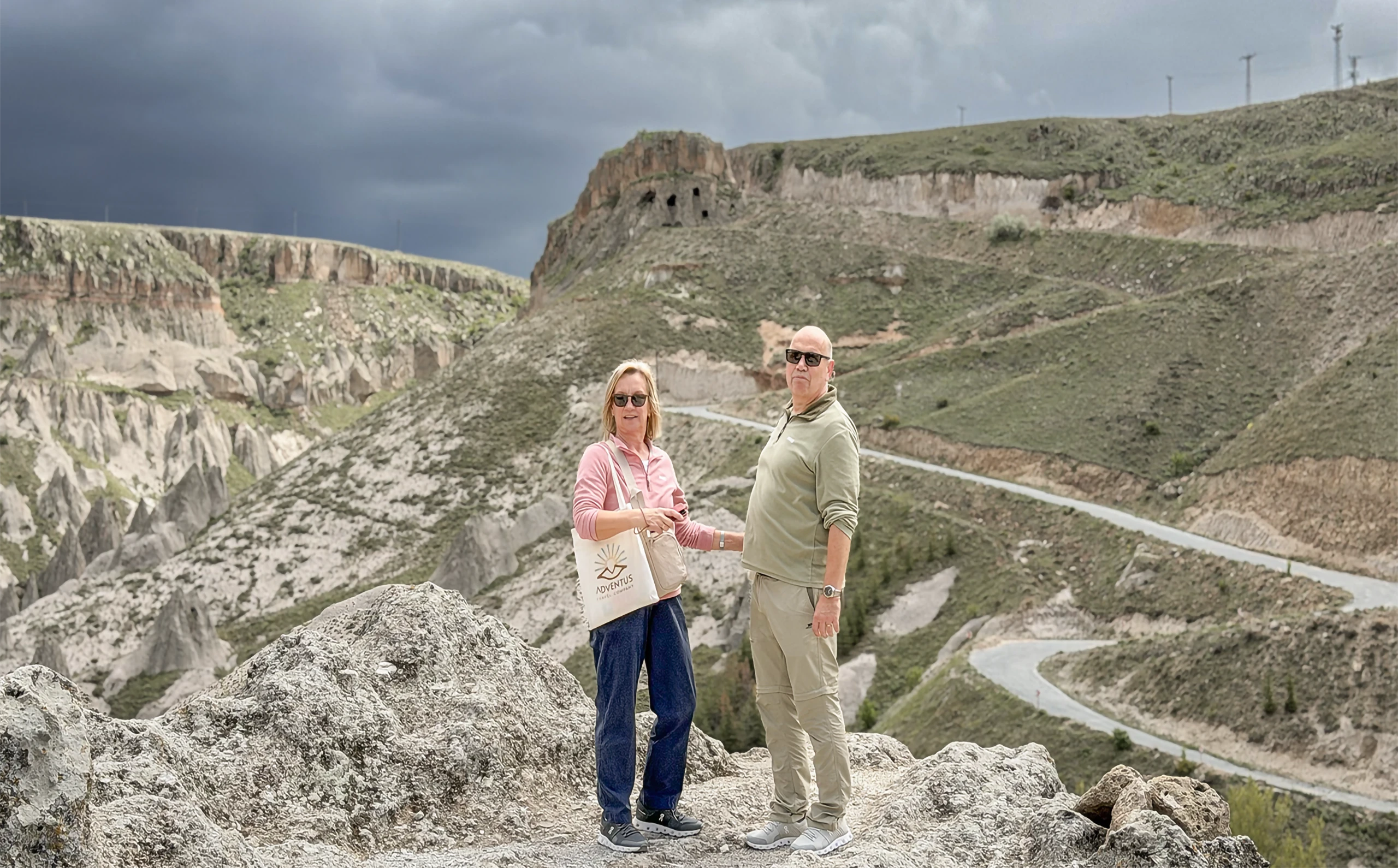
Do Tourists Need to Dress Conservatively in Turkey?
One of the most common questions travelers ask before visiting Türkiye is whether they need to dress conservatively. The short answer is no. There is no nationwide dress code for visitors, and most tourists dress much as they would in other Mediterranean countries. The most important consideration is dressing appropriately for the setting rather than the country as a whole.
In cosmopolitan cities such as Istanbul, Ankara, and Izmir, you will see a wide range of clothing styles. Locals and international visitors wear everything from casual summer outfits to business attire, depending on the occasion. Shorts, skirts, dresses, T-shirts, and lightweight clothing are common during the warmer months, particularly in tourist districts, shopping areas, and waterfront neighborhoods.
The atmosphere becomes more traditional in some rural communities and parts of Southeastern Türkiye, where modest clothing is generally more common among local residents. Visitors are not expected to follow local fashion, but choosing clothing that covers the shoulders and knees in smaller towns or villages often feels more respectful and helps you blend into the local environment.
Beach destinations along the Aegean and Mediterranean coasts are naturally more relaxed. Swimwear is perfectly appropriate on beaches, around hotel pools, and during boat trips, but it is considered courteous to wear a cover-up or change into everyday clothing before entering restaurants, cafés, shops, or town centers.
Rather than packing separate wardrobes for different parts of the country, choose versatile clothing that can easily adapt to changing environments. Lightweight trousers, comfortable walking shoes, breathable tops, and one additional layer are usually enough for most itineraries. A light scarf can also be useful, not because it is required throughout Türkiye, but because it offers flexibility when visiting cultural or religious sites.
If your itinerary combines several regions, such as Istanbul, Cappadocia, Ephesus, and the Mediterranean coast, you are likely to experience different climates, landscapes, and daily activities within the same trip. Understanding these regional differences before you travel makes it much easier to pack efficiently. Our Turkey Travel Guide provides a broader overview of the country’s destinations, while destination-specific guides such as the Istanbul Travel Guide can help you prepare for local conditions before you arrive.
What to Wear When Visiting Mosques and Religious Sites
Visiting a mosque is one of the highlights of many trips to Türkiye. Whether you are exploring the Blue Mosque in Istanbul, the Selimiye Mosque in Edirne, or smaller neighborhood mosques throughout the country, dressing respectfully is appreciated and helps preserve the atmosphere of active places of worship.
Unlike museums or archaeological sites, many mosques continue to serve local communities throughout the day. Visitors are welcome outside prayer times, provided they follow a few simple guidelines regarding clothing and behavior.
Clothing Guidelines for Women
Women are generally expected to cover their shoulders, upper arms, and knees when entering a mosque. A headscarf is also required inside active prayer areas, although many of Türkiye’s most visited mosques provide scarves at the entrance for visitors who have not brought one.
Loose, lightweight clothing is often the most comfortable option, especially during the warmer months. Carrying a light scarf in your day bag allows you to enter religious sites without needing to change your outfit completely.

Clothing Guidelines for Men
Men should also dress modestly when visiting mosques. Sleeveless shirts, tank tops, or very short shorts are generally discouraged inside prayer areas. A simple T-shirt or shirt combined with lightweight trousers or knee-length shorts is usually appropriate, although full-length trousers are often the most comfortable and versatile choice for sightseeing throughout the day.
Shoes and Personal Belongings
Shoes must be removed before entering carpeted prayer areas. Most mosques provide shelves or designated spaces where visitors can leave their footwear, while some also offer disposable shoe bags that can be carried inside.
Since you will often be walking on marble courtyards before entering the mosque, comfortable shoes that are easy to remove and put back on are especially practical.
A Simple Rule to Remember
If your clothing would feel appropriate for visiting a church, cathedral, synagogue, or other active place of worship, it will generally be appropriate for most mosques in Türkiye as well. The emphasis is on showing respect for the setting rather than following strict dress regulations.
Many travelers combine mosque visits with other historic landmarks in the same day, particularly in Istanbul’s Old City, where Hagia Sophia, the Blue Mosque, the Hippodrome, and Topkapı Palace are all within walking distance. If you plan to explore these sites together, our Istanbul Sightseeing Tour offers a well-paced itinerary led by a licensed local guide, allowing you to visit each landmark comfortably while understanding its historical and cultural significance.
What to Wear in Turkey Throughout the Year
Türkiye stretches across several climate zones, so the weather can vary considerably between regions on the same day. While the seasons provide a useful starting point, your final packing list should always reflect the specific destinations and activities included in your itinerary.
Spring and autumn often bring cool mornings and warm afternoons, summer temperatures vary between coastal regions and inland plateaus, and winter conditions range from mild Mediterranean weather to heavy snowfall across Central and Eastern Anatolia. Understanding these seasonal differences before you travel makes packing simpler and helps you stay comfortable throughout your trip.
If you are still deciding when to visit, our Best Time to Visit Turkey guide explains seasonal weather patterns, regional differences, and the experiences each season offers. The recommendations below focus specifically on choosing the right clothing throughout the year.

Spring (March to May)
Spring is one of the most comfortable seasons for exploring Türkiye. Temperatures gradually become warmer, landscapes are greener, and most regions are ideal for sightseeing without the intense summer heat. However, weather can change quickly, particularly in Central Anatolia and higher elevations, where mornings and evenings remain cool.
Pack lightweight layers that can easily be added or removed throughout the day. Long trousers, breathable shirts, a light sweater or fleece, and a lightweight waterproof jacket are usually sufficient. Comfortable walking shoes are essential, especially if your itinerary includes archaeological sites or long days of sightseeing.
Spring’s mild temperatures make it one of the best seasons for full-day sightseeing and outdoor experiences across Türkiye.
Travelers planning a spring itinerary may enjoy our Highlights of Cappadocia Tour or a full-day Istanbul Sightseeing Tour, both designed to make the most of the season’s mild weather.
If you are comparing destinations or planning your route, our Best Time to Visit Turkey guide explains seasonal travel patterns across the country, while the Cappadocia Travel Guide and Istanbul Travel Guide provide destination-specific planning advice.
Summer (June to August)
Summer brings hot and dry conditions across much of western and southern Türkiye. Coastal destinations along the Aegean and Mediterranean often experience temperatures above 30°C (86°F), while Central Anatolia remains warm during the day but noticeably cooler after sunset. Understanding these regional differences helps you pack more efficiently, especially if your itinerary combines several parts of the country.
Lightweight, breathable fabrics such as cotton or linen help keep you comfortable throughout the day. A wide-brimmed hat, sunglasses, sunscreen, and a reusable water bottle quickly become daily essentials. Comfortable sandals work well in coastal towns and resort areas, but closed walking shoes remain the better choice for archaeological sites such as Ephesus, where uneven marble streets and stone pathways require more supportive footwear.
If your plans include beaches, boat trips, and ancient cities, pack swimwear together with a lightweight cover-up that can easily be worn when leaving the beach. This allows you to move comfortably between coastal areas, restaurants, cafés, museums, and town centers without needing to change completely.
Summer is also the ideal season for experiencing Türkiye’s coastline and spending more time outdoors. From sailing along the Mediterranean to watching the sunrise during a Hot Air Balloon in Cappadocia or cruising the Bosphorus on a Private Bosphorus Yacht Cruise, summer offers some of the country’s most memorable experiences. Travelers exploring the southwest coast may also enjoy our Mediterranean & Lycian Heritage Tour.
If your summer itinerary includes the Aegean or Mediterranean coast, our Mediterranean Turkey Travel Guide provides practical planning advice for the region. Travelers visiting ancient sites should also explore the Ephesus Travel Guide, while those combining multiple destinations can use the Turkey Travel Guide to plan a route that connects the country’s diverse regions efficiently.

Autumn (September to November)
Autumn is one of the most rewarding seasons for traveling across Türkiye. Pleasant daytime temperatures, cooler evenings, and fewer crowds create ideal conditions for exploring multiple regions in a single trip. From September through November, many destinations remain comfortably warm for sightseeing while offering a more relaxed atmosphere than the peak summer months.
Packing for autumn is similar to spring, with layering remaining the most practical approach. Lightweight jackets, breathable clothing, comfortable walking shoes, and an extra layer for the evenings are usually sufficient for most itineraries. This flexibility allows you to adapt easily as temperatures change throughout the day.
Autumn is also harvest season in many parts of Türkiye, making it an excellent time to combine cultural sightseeing with local food, wine, and nature experiences. Travelers may enjoy our Outdoor Wine Experience in Cappadocia or the Best of Turkey Tour, both of which showcase the country’s landscapes and cultural heritage during one of its most comfortable travel seasons.

Winter (December to February)
Winter reveals a completely different side of Türkiye. While coastal destinations such as Antalya and Izmir often remain relatively mild, Central Anatolia, Cappadocia, and much of Eastern Türkiye experience freezing temperatures, snowfall, and occasionally icy conditions. Travelers visiting multiple regions during winter should therefore prepare for significant climate differences within the same trip.
Warm layers become essential throughout much of the country. A winter coat, thermal clothing, sweaters, gloves, a scarf, waterproof footwear, and thick socks will help you stay comfortable during long days outdoors. Even on sunny winter afternoons, temperatures can fall quickly after sunset, particularly in inland regions.
For many travelers, winter is one of the most memorable times to visit Cappadocia. Snow-covered valleys, fairy chimneys, and peaceful landscapes create a completely different atmosphere from the rest of the year. Travelers combining Istanbul with Cappadocia may enjoy our Istanbul to Cappadocia Tour, designed to showcase two of Türkiye’s most distinctive destinations during the winter season.

What to Wear by Destination in Türkiye
Planning your outfits by destination is often more useful than packing only according to the season. A single itinerary in Türkiye may include vibrant cities, archaeological sites, mountain landscapes, coastal resorts, and religious landmarks, each with different weather conditions and practical clothing requirements.
For example, the clothing that feels comfortable during a summer afternoon on the Mediterranean coast may not be ideal for a sunrise hot air balloon flight in Cappadocia or a full day walking through the marble streets of Ephesus. Packing versatile clothing that works across different environments allows you to travel more comfortably without carrying unnecessary luggage.
The following recommendations focus on some of Türkiye’s most popular destinations and the clothing that works best in each location.
What to Wear in Istanbul
Istanbul is a city where you may visit Ottoman mosques, Byzantine monuments, lively shopping streets, waterfront promenades, and stylish restaurants all in the same day. Comfortable clothing that can adapt to different environments is therefore more practical than dressing for a single activity.
A typical day in Istanbul often involves several hours of walking across uneven pavements, historic squares, and public transport connections. Comfortable walking shoes are one of the most important items you can pack. During spring and autumn, lightweight layers help you adjust to changing temperatures, while summer calls for breathable fabrics, a hat, and sun protection. Winter visitors should bring a warm jacket and waterproof footwear, as rain and cold winds are common.
If you plan to visit active mosques such as the Blue Mosque, modest clothing that covers the shoulders and knees is recommended. Women should also carry a light scarf, which can easily be stored in a day bag when not needed. These simple additions allow you to move comfortably between religious landmarks, museums, cafés, and modern neighborhoods without changing outfits.
Many travelers spend a full day exploring Istanbul’s Historic Peninsula before continuing to other regions of Türkiye. Our Istanbul Sightseeing Tour combines the city’s most important landmarks with the insight of a licensed local guide, while the Istanbul Travel Guide provides practical information to help you plan your visit.

What to Wear in Cappadocia
Cappadocia’s weather often surprises first-time visitors. Even during the warmer months, early mornings can feel cool, especially before sunrise when many travelers leave for a hot air balloon flight. Later in the day, temperatures usually rise quickly, making lightweight layers the most practical choice throughout the year.
Comfortable walking shoes are essential in Cappadocia. Valley trails, volcanic rock formations, and uneven paths are common at many of the region’s most popular viewpoints. Shoes with good grip provide far better support than sandals, particularly if your itinerary includes hiking through valleys, visiting underground cities, or exploring open-air museums.
Layering is the easiest way to stay comfortable. During spring and autumn, a light jacket or fleece is often enough for the morning, while breathable clothing works well once temperatures rise. In summer, lightweight fabrics and sun protection become especially important, whereas winter visitors should prepare for snow, icy paths, and below-freezing temperatures with insulated clothing and waterproof footwear.
If you are planning a sunrise Hot Air Balloon in Cappadocia, remember that temperatures before dawn are usually much lower than later in the day. Carrying an extra layer allows you to stay comfortable during the flight without feeling overdressed once the sun rises.
Many visitors also combine balloon flights with valley walks and cultural experiences on the same day. Our 3-Day Cappadocia Tour are all designed to help travelers experience different sides of the region at a relaxed pace. For more practical planning advice, explore our Cappadocia Travel Guide before your visit.

What to Wear in Ephesus and Other Archaeological Sites
Exploring ancient cities in Türkiye often involves far more walking than visitors expect. Sites such as Ephesus, Hierapolis, Aphrodisias, and Göbeklitepe cover large open areas with uneven stone surfaces, exposed pathways, and very little shade during the warmer months. Choosing practical clothing is therefore just as important as deciding what to see.
Comfortable walking shoes with good support are one of the most important items to pack. Marble streets, worn stone steps, and uneven archaeological paths can become slippery, particularly during the early morning or after rain. Lightweight trainers or walking shoes are generally more comfortable than sandals for spending several hours exploring these sites.
During spring and autumn, lightweight layers allow you to adapt to changing temperatures throughout the day. Summer visitors should prioritize breathable clothing, sun protection, sunglasses, and a hat, as shade is limited across most archaeological sites. Carrying a reusable water bottle is also highly recommended, especially when visiting larger sites such as Ephesus during the warmer months.
Many travelers combine Ephesus with nearby cultural and historical attractions as part of a broader journey through western Türkiye. Our Best of Turkey Tour includes Ephesus alongside several of the country’s most significant destinations, while the Ephesus Travel Guide provides practical planning information, visitor tips, and historical context before your visit.

What to Wear on the Mediterranean Coast
Türkiye’s Mediterranean coast combines beach towns, ancient cities, scenic hiking trails, and relaxed seaside villages, often within the same itinerary. Destinations such as Antalya, Kaş, Fethiye, Ölüdeniz, and Kekova encourage a more casual style of dress, but practical clothing remains important if your plans extend beyond the beach.
Lightweight, breathable fabrics are the most comfortable choice during the warmer months, particularly from late spring through early autumn. Swimwear is perfectly appropriate on beaches, hotel pools, and boat trips, while a lightweight cover-up or casual clothing is recommended when visiting cafés, restaurants, shops, or town centers after leaving the coast.
Comfortable walking shoes should not be overlooked. Many travelers spend part of the day exploring archaeological sites such as Phaselis, Patara, or Myra, where uneven stone paths and long walking distances make supportive footwear far more practical than flip-flops. If your itinerary includes sections of the Lycian Way, lightweight hiking shoes provide additional comfort on rocky trails.
The Mediterranean is also one of Türkiye’s best regions for combining cultural sightseeing with outdoor experiences. Travelers exploring the southwest coast may enjoy our Mediterranean & Lycian Heritage Tour, while those planning activities such as Paragliding in Ölüdeniz can benefit from comfortable sportswear and secure footwear. For additional destination planning, our Mediterranean Turkey Travel Guide explores the region’s highlights, suggested routes, and seasonal travel advice.

What to Wear in Southeastern Türkiye
Southeastern Türkiye offers a different travel experience from the country’s coastal regions. Visitors often spend their days exploring archaeological sites, historic cities, traditional bazaars, and places of religious significance, making comfort and practicality more important than following seasonal fashion.
Lightweight, breathable clothing is recommended for most of the year, particularly from late spring through early autumn, when daytime temperatures can become very high. Loose-fitting fabrics help keep you comfortable while walking through open-air sites such as Göbeklitepe or the streets of Mardin, Şanlıurfa, and Gaziantep. A hat, sunglasses, sunscreen, and a reusable water bottle are strongly recommended during the warmer months.
Although there is no formal dress code for tourists, modest clothing is appreciated when visiting mosques, religious landmarks, and traditional neighborhoods. Clothing that covers the shoulders and knees allows you to move comfortably between cultural sites and local communities without needing to change outfits throughout the day.
Travelers interested in the history, archaeology, and culinary traditions of the region can explore these destinations on our Southeastern Turkey Tour, while the Southeastern Turkey Travel Guide offers practical advice, regional highlights, and planning information before your visit.

What to Wear for Popular Activities in Türkiye
Choosing the right clothing depends not only on the season and destination but also on the experiences you plan to enjoy during your trip. While sightseeing in cities may only require comfortable walking shoes, activities such as hot air balloon flights, hiking, horseback riding, boat excursions, and cultural workshops each present different practical considerations. Packing with these experiences in mind helps you stay comfortable throughout the day and allows you to make the most of every activity.
Hot Air Balloon Flights
Hot air balloon flights usually begin before sunrise, when temperatures can feel surprisingly cool, even during the summer months. Dressing in layers is the easiest way to stay comfortable, allowing you to remove a jacket as the morning warms up. Closed-toe shoes are recommended for take-off and landing areas, which are often located on uneven ground. Since there is no significant wind chill during the flight itself, extremely heavy clothing is rarely necessary. If you’re planning a balloon flight, our Hot Air Balloon in Cappadocia guide explains what to expect before take-off.
Hiking and Valley Walks
Whether you’re hiking through the valleys of Cappadocia or walking sections of the Lycian Way, supportive footwear is one of the most important items you can bring. Walking or hiking shoes with good grip provide greater stability on rocky paths and uneven terrain. Lightweight, breathable clothing helps during warmer months, while a light jacket is useful during cooler mornings and evenings. A small backpack with water, sunscreen, and a hat also makes longer walks more comfortable. For additional planning advice, explore our Lycian Way Turkey guide.
Boat Trips and Coastal Experiences
Boat excursions along the Bosphorus, the Aegean, or the Mediterranean are best enjoyed in lightweight clothing that dries quickly. Swimwear, sunglasses, sunscreen, and a light cover-up are practical choices throughout the day. Comfortable sandals or trainers with good grip are usually safer than flip-flops when moving around on deck. If your itinerary includes coastal adventures, you may also enjoy our Private Bosphorus Yacht Cruise or Paragliding in Ölüdeniz experience.
Horseback Riding
Comfortable trousers and closed-toe shoes are recommended for horseback riding. Loose clothing or accessories that could catch on equipment should be avoided, while lightweight layers make it easy to adapt to changing temperatures during sunrise or sunset rides. If you’re planning to experience Cappadocia on horseback, our Private Horseback Riding in Cappadocia page provides practical information before your ride.
Cultural Experiences and Workshops
Experiences such as cooking classes, pottery workshops, and traditional cultural performances generally have no specific dress requirements. Comfortable casual clothing and walking shoes are suitable for most activities, allowing you to move easily between sightseeing and local experiences throughout the day. If you’d like to explore Türkiye’s living traditions, our Cooking Class in Cappadocia, Pottery Workshop in Cappadocia, and Whirling Dervishes Ceremony in Cappadocia offer different perspectives on the country’s cultural heritage.
Turkey Packing Checklist
Packing for Türkiye is relatively straightforward, especially if you choose versatile clothing that can be layered throughout the day. The exact items you need will depend on the season, destinations, and activities included in your itinerary, but the following checklist covers the essentials for most trips.
Clothing
- Lightweight tops and breathable shirts
- Comfortable trousers or jeans
- Shorts, skirts, or dresses for warmer destinations
- A light sweater or fleece for cooler mornings and evenings
- A lightweight waterproof jacket during spring or autumn
- Sleepwear and underwear
- Comfortable socks for walking
- Swimwear and a light cover-up if visiting the coast
Footwear
- Comfortable walking shoes
- Sandals for beaches and hotel use
- Hiking shoes if you plan to explore valleys or walking trails
Accessories
- Sunglasses
- A sun hat or cap
- A lightweight scarf for mosque visits
- A reusable water bottle
- A small day backpack
- A portable power bank
- A travel umbrella during spring or winter
Toiletries and Personal Essentials
- Sunscreen
- Lip balm
- Insect repellent for nature trips
- Personal medications
- A small first-aid kit
- Hand sanitizer and tissues
Travel Documents and Electronics
- Passport
- Visa documents, if required
- Travel insurance information
- Flight confirmations
- Hotel reservations
- Credit or debit cards and some local currency
- Mobile phone and charger
- Travel adapter (Türkiye uses Type C and Type F plugs)
Packing versatile clothing rather than separate outfits for every destination will make travelling around Türkiye much easier. Comfortable footwear, lightweight layers, and a few practical accessories are usually all you need, whether you’re exploring Istanbul, hiking through Cappadocia, visiting the ancient ruins of Ephesus, relaxing on the Mediterranean coast, or discovering the cultural heritage of Southeastern Türkiye.
Common Packing Mistakes to Avoid in Türkiye
Packing for Türkiye is generally uncomplicated, but a few common mistakes can affect your comfort during the trip. Preparing for different climates, walking conditions, and cultural settings will help you travel more comfortably and avoid carrying unnecessary items.
Packing Only for One Climate
Türkiye has diverse geographical regions, and temperatures can vary significantly between destinations. Even during the same trip, you may experience cool mornings in Cappadocia, warm afternoons in Ephesus, and breezy evenings along the Mediterranean coast. Lightweight layers are usually more practical than packing clothing for only one type of weather.
Bringing the Wrong Footwear
Many of Türkiye’s most popular attractions involve extensive walking on stone streets, archaeological sites, hiking trails, or uneven terrain. Fashionable shoes may look appealing, but comfortable walking shoes with good support will make a noticeable difference throughout your trip.
Forgetting Sun Protection
Visitors often underestimate how much time they spend outdoors. Whether you’re exploring ancient cities, hiking through valleys, or relaxing on the coast, sunglasses, sunscreen, and a hat can make sightseeing far more comfortable, particularly between late spring and early autumn.
Not Packing a Light Layer
Even during summer, early mornings can feel cool, especially before sunrise activities such as hot air balloon flights in Cappadocia or evening boat cruises. A lightweight jacket or sweater is one of the most useful items you can bring.
Overpacking
One of the biggest mistakes is packing too many clothes. Most travelers find that versatile outfits, comfortable shoes, and a few practical accessories cover nearly every situation. Packing lighter not only makes moving between destinations easier but also leaves space for purchases you may make during your trip.
FAQ About What to Wear in Türkiye
What shoes are best for travelling in Türkiye?
Comfortable walking shoes are the best choice for most trips. Many attractions, including Ephesus, Cappadocia, and Istanbul’s historic districts, involve walking on uneven stone surfaces, cobbled streets, or hiking trails. If you’re planning outdoor activities, shoes with good grip provide additional comfort and stability.
Should I pack clothes for different weather conditions?
Yes. Türkiye has diverse climates, and temperatures can vary considerably between regions and even throughout the same day. Packing lightweight layers allows you to adapt easily without bringing excessive luggage.
Is it acceptable to wear shorts in Türkiye?
Yes. Shorts are commonly worn in cities, coastal resorts, and tourist destinations, particularly during the summer months. However, if you plan to visit active mosques or more traditional communities, clothing that covers the shoulders and knees is recommended out of respect for local customs.
Do I need hiking shoes to visit Cappadocia?
Not necessarily. Comfortable walking shoes are sufficient for most visitors exploring viewpoints, museums, and the main valleys. Hiking shoes become more useful if you intend to spend extended time on longer valley walks or more challenging trails.
What should I wear for a hot air balloon flight?
Wear comfortable layered clothing and closed-toe shoes. Balloon flights begin before sunrise when temperatures are usually cooler than later in the morning. A light jacket is often enough, even during summer, and can easily be removed after landing as the day warms up.
Can I wear sandals while visiting archaeological sites?
Sandals are suitable for casual sightseeing in towns or along the coast, but supportive walking shoes are generally a better choice for archaeological sites such as Ephesus or Hierapolis. Uneven stone paths and marble surfaces are much more comfortable to explore with secure footwear.
Final Thoughts
Packing for Türkiye doesn’t require a completely new wardrobe. In most cases, comfortable walking shoes, lightweight layers, and clothing suited to the season will allow you to travel confidently across the country’s diverse landscapes and cultural sites.
From the vibrant streets of Istanbul and the valleys of Cappadocia to the ancient ruins of Ephesus, the Mediterranean coastline, and the historic cities of Southeastern Türkiye, each destination has its own character and practical considerations. Preparing for these differences before you travel will help you spend less time worrying about what to wear and more time enjoying the experience.
The best approach is to pack versatile clothing that can adapt to changing weather, different activities, and a variety of cultural settings. With thoughtful preparation, you’ll be ready to explore Türkiye comfortably throughout your journey.
Continue Planning Your Trip
Plan Your Trip
- Turkey Travel Guide
- Best Time to Visit Turkey
- Essential Tips for Traveling to Turkey
- Visa & Entry Requirements
Explore Private Tours
- Best of Turkey
- Istanbul to Cappadocia
- Highlights of Cappadocia
- Mediterranean & Lycian Heritage
- Southeastern Turkey
WRITTEN BY

Nisa Buket Dağdelen
Operations Director & Tour Guide
LinkedIn Profile

Hüseyin Pekgöz
Founder & Managing Partner
LinkedIn Profile
Adventusel Company


