

Istanbul rewards travelers who understand how the city fits together. Imperial monuments, historic neighborhoods, the Bosphorus and modern districts may appear close on a map, yet geography, traffic and the scale of individual sites can completely change how a day unfolds.
This Istanbul Travel Guide brings those elements into one structure, helping travelers understand what to see, where to stay, how long to spend, and how to move between the city’s different historical and contemporary layers. For planning beyond Istanbul and understanding how the city connects with the rest of the country, continue with our Turkey Travel Guide.

Continue Exploring Istanbul
Understand Historic Istanbul
- Istanbul Old City Guide
- Hagia Sophia Istanbul
- Hippodrome of Constantinople
- Basilica Cistern
- Chora Church & Kariye Mosque
Plan Your Time in Istanbul
- Planning a Trip to Istanbul
- Istanbul Public Transportation Guide
- Istanbul Airport Tips
- Taxis in Istanbul & the BiTaksi App
Explore Istanbul with Adventus
- Istanbul Sightseeing Tour
- Istanbul to Cappadocia Tour
- Best of Turkey Tour
- Istanbul, Ephesus & Pamukkale
- Private Bosphorus Yacht Cruise
Understanding Istanbul as a System
Most travelers begin with three questions: how many days to spend in Istanbul, where to stay, and how to get around. These are not separate planning decisions. They are parts of the same system, shaped by the city’s geography.
Istanbul does not unfold in a straight line. The Bosphorus, the Golden Horn, changing elevation, historic street patterns and modern traffic all influence how quickly different parts of the city can be connected. Two places that appear close on a map may require a tram ride, ferry crossing or uphill walk, while destinations that seem farther apart can sometimes be linked efficiently through public transport.
This is why visual distance alone is a poor way to build an Istanbul itinerary. A well-planned day groups sights geographically and considers how movement between them actually works.
The Historic Peninsula is the clearest example. Hagia Sophia, the Blue Mosque, Hippodrome, Basilica Cistern, Topkapı Palace and the Grand Bazaar belong to the same broad historical zone, yet each requires a different amount of time and attention. Treating them as a simple checklist often creates more pressure than efficiency.
Across the Golden Horn, Karaköy, Galata and Beyoğlu form another connected urban layer, while the Bosphorus creates its own sequence of waterfront neighborhoods and ferry routes. Once these relationships are understood, Istanbul becomes far easier to navigate.
The objective is not to minimize every transfer. It is to create a rhythm in which history, neighborhoods, food, walking and transportation support one another rather than compete for time.

How Many Days Do You Need in Istanbul?
The ideal number of days in Istanbul depends less on how many attractions are available and more on how the city is structured. A compact stay can work well when sights are grouped geographically, while a longer visit allows neighborhoods, food, the Bosphorus and less central heritage sites to be explored without compressing the experience.
2 Days in Istanbul
Two days provide a strong introduction to the city, especially for travelers combining Istanbul with other regions of Turkey.
The first priority should be the Historic Peninsula, where Hagia Sophia, the Blue Mosque, the Hippodrome, Basilica Cistern and Topkapı Palace can be connected within the same broad area. Our Istanbul Old City Guide explains how these monuments relate to one another historically and geographically.
A second day can then shift toward the Bosphorus, Karaköy, Galata or the Grand Bazaar, depending on individual interests. The objective is not to cover everything, but to understand the city’s main historical and geographical layers.
4 Days in Istanbul
Four days allow Istanbul to become much easier to read.
The Historic Peninsula can be explored without rushing, while separate time can be given to Karaköy, Galata, Beyoğlu and the Bosphorus. This also creates space for places that do not fit naturally into a compressed first-day route, including the Grand Bazaar or Chora.
A four-day stay also makes it easier to balance monuments with daily urban life. Instead of moving continuously from one major sight to another, time can be spent in neighborhoods, markets, cafés and waterfront districts that explain how historic Istanbul connects with the contemporary city.

5 Days or More
With five days or more, planning can become more selective rather than simply more extensive.
Travelers interested in Byzantine history can dedicate more attention to Hagia Sophia, the Hippodrome, Basilica Cistern and Chora, while Ottoman-focused itineraries can spend longer at Topkapı Palace, the Blue Mosque and the Grand Bazaar. Food, architecture, photography, neighborhoods or the Bosphorus can also become individual themes rather than secondary additions.
Longer stays are particularly valuable because Istanbul rewards repetition. Returning to the Bosphorus at a different time of day, revisiting a neighborhood after the main monuments, or allowing an evening to develop without a fixed sightseeing schedule often reveals as much about the city as adding another attraction.
For most first-time visitors, 3 to 4 days offers the strongest balance between major heritage sites, the Bosphorus, neighborhoods and realistic movement through the city.
Where to Stay in Istanbul
Where to stay in Istanbul directly affects how efficiently the city can be explored. Accommodation should therefore be chosen not only according to hotel preference, but also according to which parts of Istanbul will receive the most time.
For first-time visitors, the most practical choices usually fall into four broad areas: the Historic Peninsula, Karaköy and Galata, the Bosphorus districts, and more residential neighborhoods.
Historic Peninsula
The Historic Peninsula is the most practical base for travelers whose priority is Istanbul’s major monuments. Hagia Sophia, the Blue Mosque, Hippodrome, Basilica Cistern and Topkapı Palace are concentrated around Sultanahmet, while the Grand Bazaar and surrounding historic districts remain within easy reach.
Its main advantage is proximity. Several of Istanbul’s most important sites can be reached on foot, reducing the need for transport during the first part of the day.
The trade-off is atmosphere. Sultanahmet is one of the city’s most tourism-oriented areas, particularly during daytime sightseeing hours. By evening, however, many streets become noticeably quieter than districts such as Karaköy, Galata or Beyoğlu.
Best for: first-time visitors, short stays and travelers prioritizing Istanbul’s historic monuments.

Karaköy and Galata
Karaköy and Galata provide one of the strongest balances between historic Istanbul and contemporary city life.
The area offers access to cafés, restaurants, galleries and evening activity while remaining well connected with Sultanahmet through the tram network and with other parts of the city through ferries and metro connections. Walking across Galata Bridge also creates a direct physical connection between the Historic Peninsula and the districts north of the Golden Horn.
Galata introduces steeper streets and more elevation, while Karaköy sits closer to the waterfront and transport connections. Both work particularly well for travelers who want sightseeing during the day without returning each evening to a predominantly monument-focused district.
Best for: travelers seeking a balance of sightseeing, dining, nightlife and transport access.

Bosphorus Districts
Staying along the Bosphorus creates a very different relationship with Istanbul.
Neighborhoods such as Beşiktaş, Ortaköy and the waterfront districts farther north offer open views, ferry connections and a stronger sense of the city’s relationship with the water. The setting can be particularly rewarding for longer stays or travelers who prefer waterfront hotels and a quieter evening atmosphere.
The disadvantage is distance from the Historic Peninsula. Reaching Sultanahmet may require more deliberate transport planning, particularly during peak traffic periods.
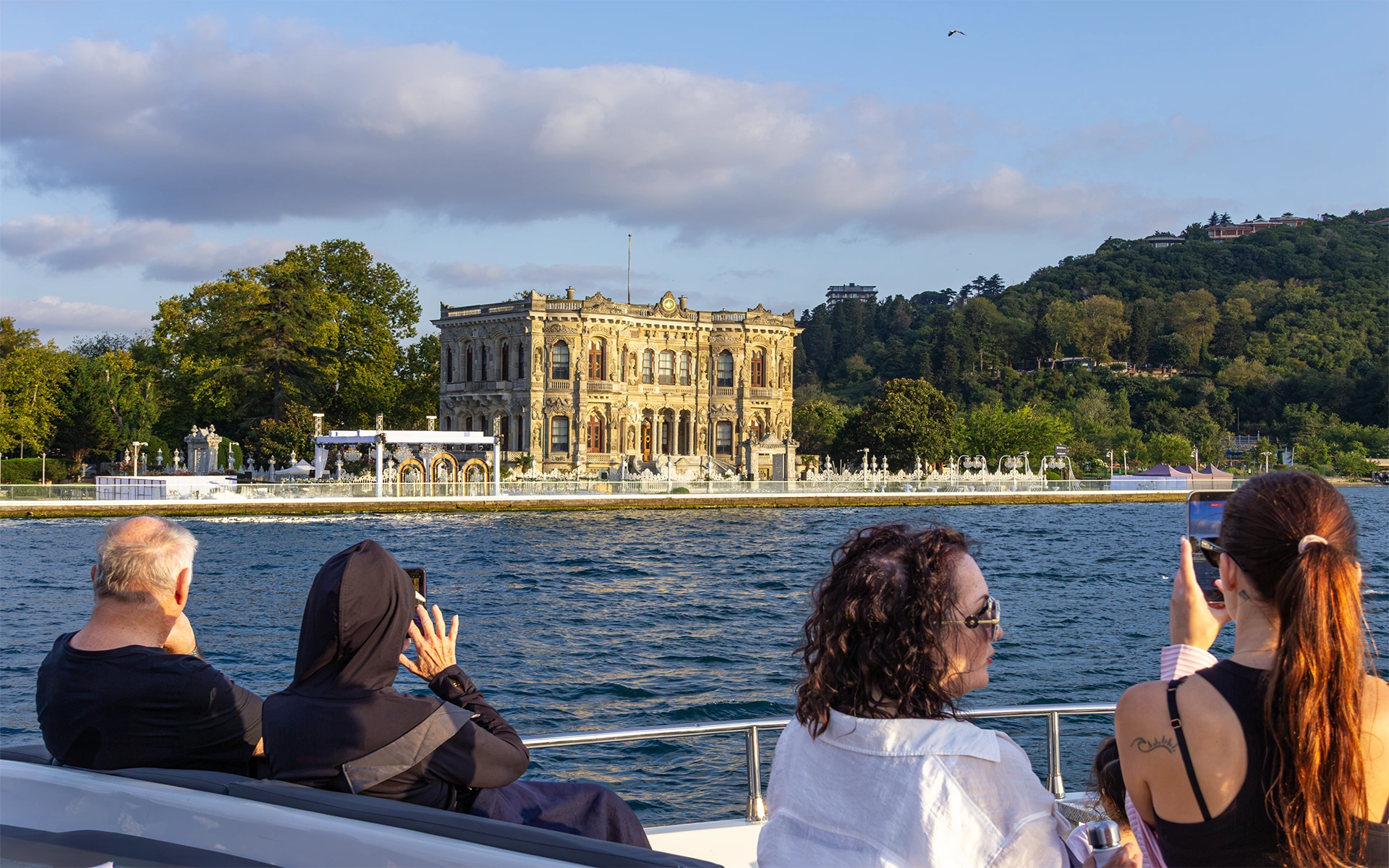
The Bosphorus itself is also one of the best ways to understand Istanbul geographically. A Private Bosphorus Yacht Cruise reveals how palaces, waterfront mansions, fortresses and residential districts developed along the strait.
Best for: longer stays, waterfront atmosphere, luxury hotels and travelers prioritizing the Bosphorus.
Residential Districts
Neighborhoods such as Nişantaşı offer another version of Istanbul. The emphasis shifts away from major monuments toward restaurants, shopping, cafés and everyday urban life.
These districts can work particularly well for returning visitors or travelers staying longer in the city, when proximity to Sultanahmet is no longer the primary consideration.
The main trade-off is transportation. Historic sights will generally require metro, taxi or other public transport connections, so residential districts make more sense when the itinerary is not centered entirely on the Old City.
Best for: repeat visitors, longer stays and travelers interested in contemporary Istanbul.
Choosing the Right Area
For most first-time visitors, Sultanahmet offers maximum historical proximity, while Karaköy and Galata provide the strongest overall balance between sightseeing and contemporary city life. Bosphorus districts suit travelers who value waterfront atmosphere, while residential areas become increasingly attractive as stays become longer.
Arrival logistics should also be considered when selecting accommodation. Our Istanbul Airport Tips guide explains the practical options for arriving in the city, while Taxis in Istanbul and the BiTaksi App covers taxi use in more detail.

How to Move Around Istanbul Efficiently
The best way to move around Istanbul is usually a combination of public transport, ferries, and walking. No single method works efficiently across the entire city, so transportation should be chosen according to geography rather than habit.
Ferries as Core Transport
Ferries are not simply a sightseeing experience. They are part of Istanbul’s everyday transport system and often provide one of the most efficient ways to move between districts separated by the Bosphorus or the Golden Horn.
They are particularly useful when connecting areas such as Eminönü, Karaköy, Beşiktaş, Kadıköy, and Üsküdar. In a city where road traffic can change quickly, ferries also provide a more predictable rhythm.
Tram, Metro, and Public Transport
The tram and metro systems are especially useful for visitors staying around the Historic Peninsula, Karaköy, Galata, and central districts.
The T1 tram line is one of the most practical routes for first-time visitors because it connects important areas such as Sultanahmet, Eminönü, Karaköy, and Kabataş. Metro lines become more useful when moving farther from the historic center or connecting with major transport hubs.
For a complete explanation of Istanbulkart, ferries, tram lines, metro connections, and practical transport planning, see our Istanbul Public Transportation Guide.

Traffic Reality
Traffic in Istanbul is highly variable. A short distance on a map can take considerably longer by road during busy periods, particularly when crossing between major districts or approaching bridges and central traffic corridors.
This is why taxis should not automatically be treated as the fastest option. In many situations, a tram, metro, ferry, or a short walk can be more efficient.
For practical taxi advice, including app-based booking, see our Taxis in Istanbul and the BiTaksi App.
Walking Strategy
Walking is essential for understanding Istanbul, particularly in the Historic Peninsula, Karaköy, Galata, Balat, and many Bosphorus neighborhoods.
However, the city’s terrain should not be underestimated. Steep streets, uneven pavements, crowded pedestrian areas, and long museum visits can add considerably to daily physical effort.
The most efficient itinerary therefore alternates between walking and public transport rather than trying to complete an entire day on foot.
In Istanbul, transportation is not separate from sightseeing. Ferries reveal the city from the water, walking exposes neighborhood detail, and public transport explains how different parts of the city connect. Once movement is planned deliberately, Istanbul becomes far easier to experience.

What to See in Istanbul
Istanbul’s major sights are easier to understand when they are grouped by historical layer and geography rather than treated as isolated attractions. The Historic Peninsula contains the strongest concentration of imperial monuments, while the Bosphorus and neighborhoods beyond the old city reveal how Istanbul expanded around those historical cores.
The Historic Peninsula: Where Imperial Istanbul Becomes Visible
For a first visit, the Historic Peninsula is the natural starting point. Roman, Byzantine and Ottoman landmarks stand within walking distance of one another, allowing several centuries of the city’s history to be read within the same urban landscape.
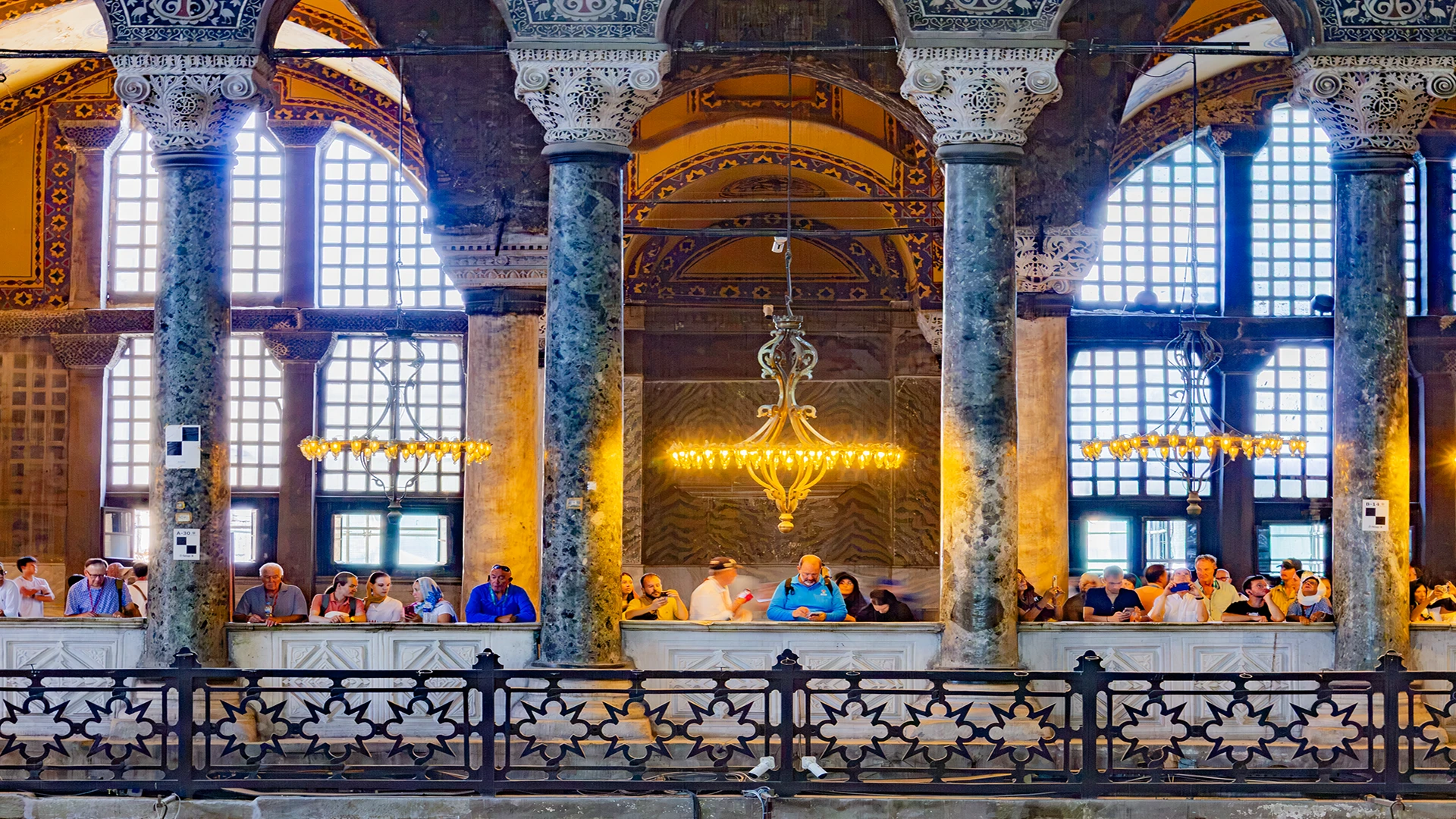
Hagia Sophia provides one of the clearest examples of this continuity. Built under Emperor Justinian in the sixth century, later transformed into an Ottoman imperial mosque, and still functioning as a mosque today, the building preserves Byzantine mosaics, monumental architecture and Ottoman additions within the same structure.
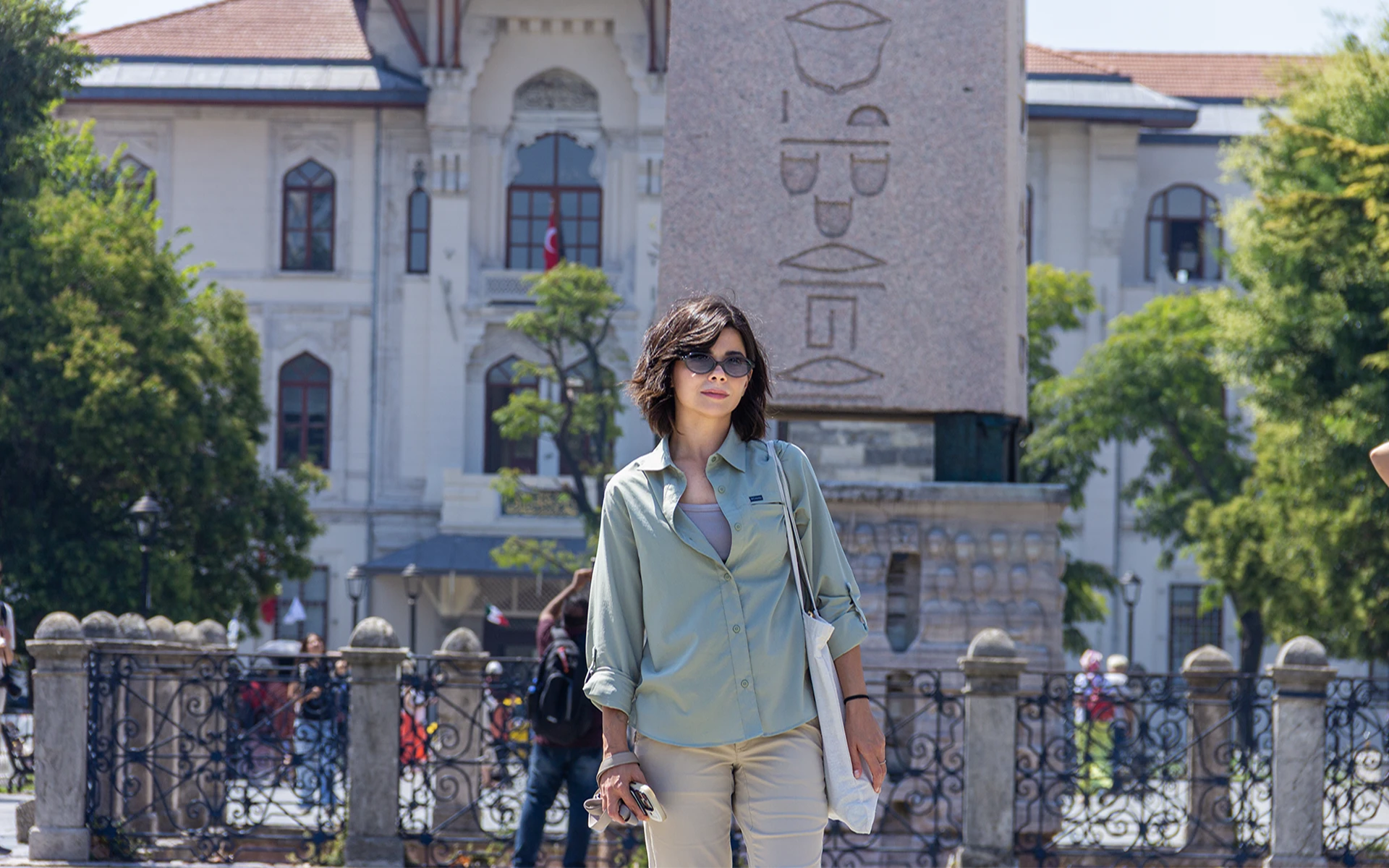
Nearby, the Hippodrome of Constantinople reveals another dimension of Byzantine urban life. Chariot races, imperial ceremonies and political confrontation once unfolded here beside the Great Palace, while the Obelisk of Theodosius, Serpent Column and surviving shape of the arena still allow the ancient setting to be reconstructed.
Below the streets, the Basilica Cistern introduces the infrastructure that supported Constantinople. Its vast underground reservoir, columns and water system make clear that the imperial city depended not only on palaces and churches, but also on sophisticated engineering.
The Blue Mosque, officially the Sultan Ahmed Mosque, belongs to a much later Ottoman chapter. Its six minarets, cascading domes and İznik-tiled interior transformed the appearance of the former Hippodrome area in the early seventeenth century, creating the skyline now associated with Sultanahmet.
A short distance away, Topkapı Palace explains Ottoman Istanbul from the perspective of government and court life. Its sequence of courtyards, council chambers, Imperial Harem, kitchens, collections and garden pavilions reveals a palace designed around hierarchy and controlled access rather than the monumental façades associated with many European royal residences.
The Grand Bazaar adds another essential layer. Rather than functioning simply as a shopping attraction, its bedestens, hans, occupational streets and trading traditions preserve the commercial infrastructure of the Ottoman city.
For travelers who want to understand how these monuments connect geographically, our Istanbul Old City Guide provides a more focused route through the Historic Peninsula.

Chora and the Byzantine City Beyond Sultanahmet
Not all of Byzantine Istanbul survives around Hagia Sophia.
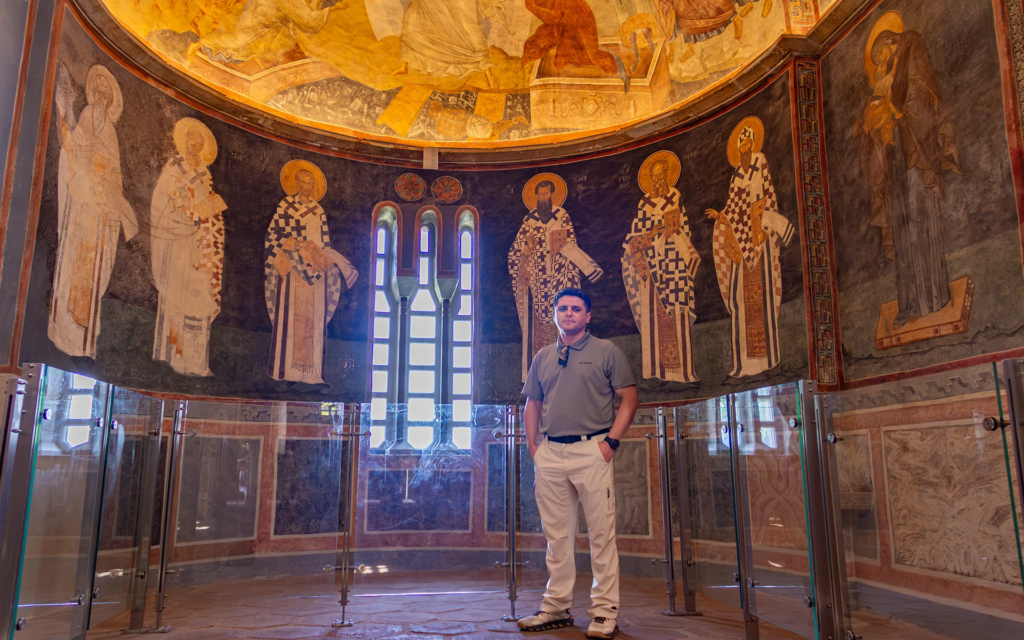
Chora, today the Kariye Mosque, preserves one of the city’s most important surviving ensembles of Byzantine mosaics and frescoes. Its fourteenth-century decoration reveals a very different artistic world from the monumental sixth-century architecture of Hagia Sophia.
Visiting Chora also expands the geographical understanding of Byzantine Constantinople. The city’s religious and residential landscape extended far beyond the ceremonial center around the Hippodrome, and neighborhoods near the land walls formed part of that wider urban system.
The Bosphorus: The Geography Behind Istanbul’s Importance
The Bosphorus should not be treated merely as a scenic break from historical sightseeing. It helps explain why Istanbul became strategically important in the first place.
The strait connects the Black Sea with the Sea of Marmara while dividing Europe and Asia. Along its shores, Ottoman palaces, waterfront mansions, mosques, fortifications and residential districts developed around one of the world’s most important maritime corridors.
Exploring the Bosphorus from the water makes the geography particularly clear. A Private Bosphorus Yacht Cruise allows the European and Asian shores to be understood as parts of one connected urban landscape rather than separate sightseeing zones.

Beyond the Monuments
Istanbul becomes more complete when time is also given to neighborhoods rather than only major landmarks.
Karaköy and Galata connect historic architecture with contemporary urban life. Beyoğlu introduces the nineteenth-century and modern city, while Fener and Balat preserve a different relationship between religious heritage, residential streets and the Golden Horn.
These districts matter because Istanbul was never defined by a single imperial center. Its identity developed through palaces, mosques, churches, markets, ports, neighborhoods and waterways, all functioning within the same city.
Istanbul Gastronomy: A City Defined by Its Table
Food in Istanbul is not a secondary experience. It is one of the clearest ways to understand how the city absorbed and reshaped influences from the Ottoman court, Anatolia, the Balkans, the Black Sea, the Aegean, and the eastern Mediterranean.
This diversity appears at every level. Refined restaurants reinterpret Ottoman and regional traditions, while neighborhood kitchens continue to serve dishes connected to everyday life. Markets, bakeries, meyhanes, seafood restaurants, and small family-run establishments all belong to the same culinary landscape.
Where you eat also changes the experience. The Historic Peninsula reflects a strong relationship with tourism and traditional dining, Karaköy and Beyoğlu combine older institutions with contemporary restaurants, while Bosphorus neighborhoods place seafood and waterfront dining at the center of the evening.
The most useful approach is not to search for one definitive “Istanbul cuisine.” The city’s table is layered in the same way as its architecture and neighborhoods.
Street Food Culture in Istanbul
Street food offers one of the most direct connections to everyday Istanbul.
Simit is part of the morning rhythm of the city, sold from bakeries and street carts across almost every district. Around Eminönü and the waterfront, balık ekmek reflects Istanbul’s long relationship with the sea, while midye dolma, kokoreç, roasted chestnuts, and other quick foods appear according to neighborhood and time of day.
These foods are not performances created for visitors. They belong to the daily movement of the city.
The better way to experience Istanbul’s street food is therefore not to treat it as a checklist. Notice where people stop on the way to work, what appears around ferry terminals and markets, and how the food changes as the city moves from morning into evening.

Istanbul Nightlife: A Different Rhythm of the City
Istanbul does not simply slow down after sunset. It changes rhythm.
In Karaköy and Galata, evenings often develop naturally from cafés and restaurants into bars, music venues, and late-night social spaces. The atmosphere remains urban and mixed, with historic streets continuing to feel active well into the evening.
Beşiktaş offers a more energetic local rhythm. Its streets, restaurants, and bars attract a younger crowd, and the district remains lively long after the main sightseeing areas have quieted down.
Along the Bosphorus, nightlife takes on a more refined character. Waterfront restaurants, hotel bars, and lounges focus more on atmosphere, views, and longer evenings than on high-energy nightlife.
Beyoğlu and the areas around İstiklal Avenue add another layer, with music venues, rooftop bars, historic passages, and late-night dining concentrated within a relatively compact part of the city.
There is no single nightlife model in Istanbul. The experience changes by district, and choosing the right area depends on whether the priority is local energy, live music, dining, rooftop views, or a quieter Bosphorus evening.
Understanding Safety in Istanbul
Istanbul is generally safe for visitors who use the same level of awareness they would in any major international city.
The busiest tourist districts remain active throughout the day and evening, but crowded areas such as Sultanahmet, Eminönü, the Grand Bazaar, and major transport hubs require normal attention to personal belongings. Pickpocketing is the most common concern in dense pedestrian environments.
Taxi use also benefits from basic preparation. Using established apps, confirming the route, and avoiding unnecessary street negotiation reduces most common friction. Our Taxis in Istanbul and the BiTaksi App guide explains this in more detail.
As elsewhere, awareness matters more than anxiety. Keep valuables secure in crowded areas, use official transport options, and follow current local guidance when needed.
For most travelers, Istanbul is best approached as a large, active metropolis: busy, complex, and highly manageable with ordinary urban awareness.

Common Mistakes Travelers Make in Istanbul
Most problems in Istanbul come from planning assumptions rather than the city itself.
The first is over-scheduling. Trying to fit too many major sights into one day often turns the itinerary into a sequence of entrances, queues, and transfers rather than a meaningful experience.
The second is underestimating distance. Istanbul’s geography is shaped by hills, water, traffic, and historic street patterns, so a short line on a map does not always translate into a short transfer.
Another common mistake is relying too heavily on taxis. In many central areas, ferries, trams, metro lines, and walking are more efficient and predictable.
Accommodation choice also matters. A hotel may look centrally located but still create unnecessary daily movement if it sits far from the areas receiving most of the itinerary.
The most effective solution is simple: group sights geographically, allow realistic time between them, and build each day around one or two connected areas rather than the entire city.

Structuring Your Time in Istanbul
Well-structured days reduce unnecessary movement and make Istanbul easier to experience. The most effective approach is to organize time around connected districts and historical zones, rather than moving back and forth across the city.
A first sightseeing day can remain focused on Sultanahmet and the Historic Peninsula, where Hagia Sophia, the Blue Mosque, Hippodrome, Basilica Cistern and Grand Bazaar can be explored within one logical sequence. Our Istanbul Old City Guide explains how these monuments fit together historically and geographically.
Travelers who prefer this structure to be organized privately can follow a similar logic through our Istanbul Sightseeing Tour, which separates the Historic Peninsula from Topkapı Palace, the Spice Bazaar and the Bosphorus rather than compressing everything into one intensive day.
A second day can shift toward Topkapı Palace and the Bosphorus, allowing more time for the palace courtyards, Imperial Harem and collections before moving toward Eminönü, the waterfront and the strait. This change in geography also changes the pace of the day, balancing enclosed historic sites with open views and movement along the water.
Additional days can then be organized around Karaköy, Galata, Beyoğlu, Fener, Balat or Chora, depending on individual interests. This is where Istanbul becomes less about principal monuments and more about neighborhoods, religious heritage, architecture, food and everyday urban life.
For travelers continuing beyond Istanbul, the same sequencing principle becomes even more important. Our Istanbul to Cappadocia Tour dedicates two full sightseeing days to Istanbul before flying to Cappadocia, while the Best of Turkey Tour connects Istanbul with Cappadocia, Konya, Pamukkale and Ephesus in a broader overland structure.
Travelers who want to combine Istanbul with western Türkiye can instead consider the Istanbul, Ephesus & Pamukkale Tour, which allows three days in Istanbul before continuing toward the Aegean.
The key principle remains the same at every scale: build the itinerary around geography first, then add monuments, neighborhoods and experiences within that structure.
Cultural Context: Understanding Istanbul Beyond Movement
Istanbul is not defined by a single historical period. Roman, Byzantine, Ottoman, and modern layers continue to occupy the same geography, often within walking distance of one another.
The Historic Peninsula provides the clearest introduction to this continuity. The former Byzantine ceremonial center around the Hippodrome of Constantinople and Hagia Sophia later became part of the political and religious heart of Ottoman Istanbul. Rather than replacing the earlier city completely, each period adapted streets, monuments, institutions, and public spaces inherited from what came before.
Ottoman Istanbul developed another layer around imperial administration, religion, commerce, and neighborhood life. Topkapı Palace represented the governing world of the court, while the Grand Bazaar evolved as part of a much wider commercial system of bedestens, hans, workshops, and trading streets.
The same continuity can be seen beyond Sultanahmet. Chora, today the Kariye Mosque, preserves an important layer of later Byzantine artistic life, while Galata, Beyoğlu, the Bosphorus districts, and neighborhoods around the Golden Horn reveal how the city continued expanding and changing through subsequent centuries.
Understanding these layers changes the way Istanbul is experienced. A Byzantine cistern, an Ottoman mosque, a nineteenth-century avenue, and a contemporary neighborhood do not belong to separate cities. They are different expressions of the same urban landscape.
This is why Istanbul is best understood not as a collection of historical periods, but as a continuum in which each era reshaped what already existed.

Seasonal Considerations: When to Visit Istanbul
Istanbul can be visited throughout the year, but each season changes the pace of the city.
Spring and autumn generally offer the strongest balance for sightseeing. Temperatures are more comfortable for walking, outdoor monuments are easier to combine, and the Bosphorus can be experienced without the extremes of summer heat or winter wind.
Summer brings longer daylight hours but also greater visitor density and higher temperatures. Monument-heavy days around Sultanahmet require more careful pacing, particularly when several major sites are combined with long periods of walking.
Winter is quieter and often more atmospheric, although rain, wind, and shorter daylight hours can affect outdoor plans. The Bosphorus can feel particularly exposed during colder weather, while museums, palaces, mosques, and covered historic spaces become easier to prioritize.
Season therefore influences more than what to wear. It affects walking time, crowd levels, daylight, transport choices, and how many major sites can realistically be combined within one day.
Where to Go After Istanbul
For many first-time visitors, Istanbul is the starting point rather than the entire itinerary. The strongest next destination depends on how much time is available and whether the priority is landscape, archaeology, or a broader introduction to Turkey.
Istanbul to Cappadocia
Cappadocia is the most natural second region for many first-time travelers. It creates a strong contrast with Istanbul through volcanic valleys, underground cities, rock-cut churches, villages, and a completely different geographical scale.
Our Istanbul to Cappadocia Tour combines two full sightseeing days in Istanbul with Cappadocia, creating a compact route for travelers who want to experience both regions without adding unnecessary stops.

Istanbul, Ephesus and Pamukkale
Travelers interested primarily in ancient history and archaeology may prefer to continue toward western Turkey.
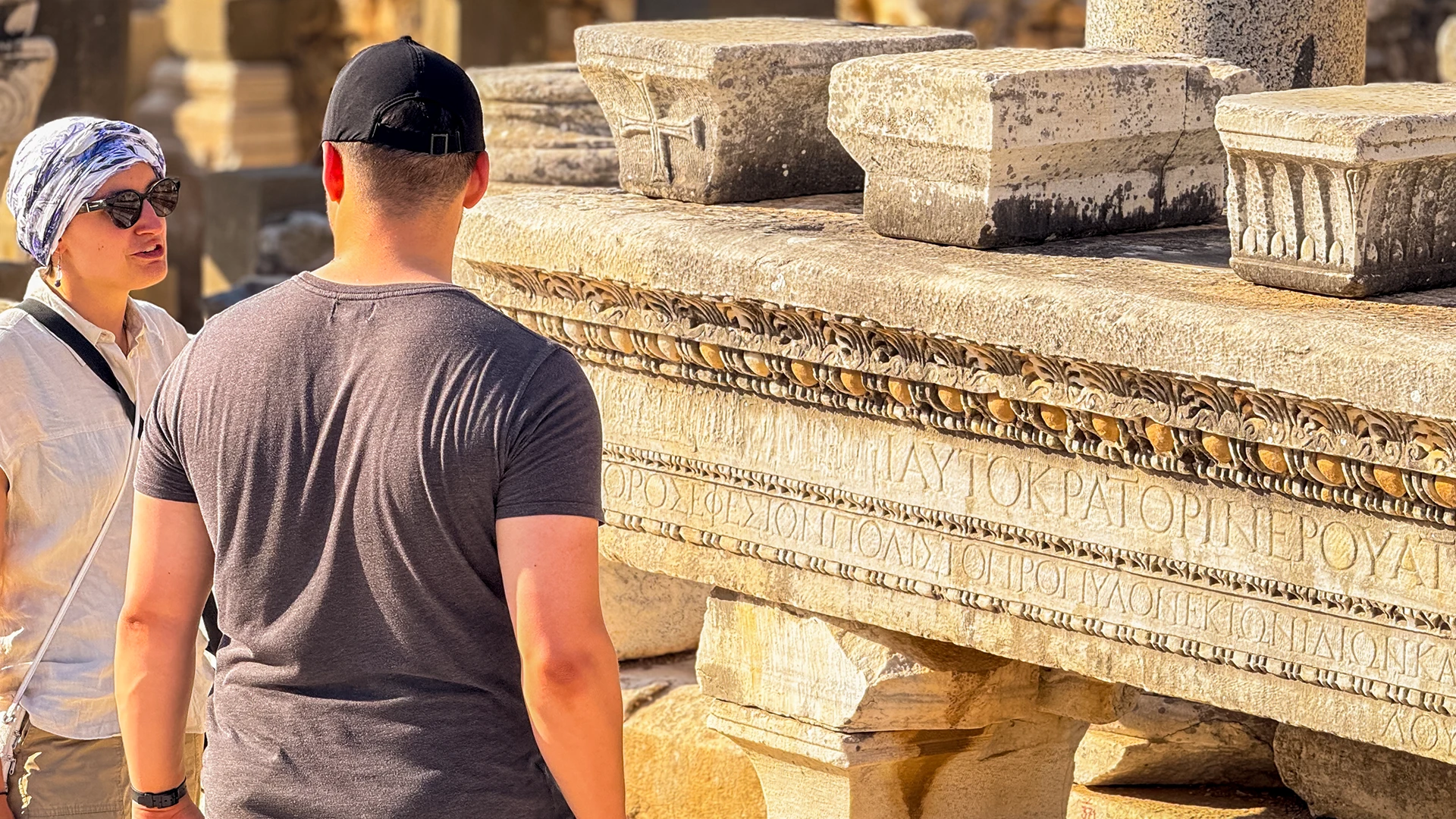
The Istanbul, Ephesus & Pamukkale Tour connects Istanbul with Ephesus and Pamukkale, moving from the imperial history of Constantinople and Ottoman Istanbul into the archaeological landscapes of western Anatolia.
This route works particularly well when the itinerary needs to remain focused rather than covering several regions at once.
A Broader Turkey Itinerary
For travelers with more time, Istanbul can become the beginning of a wider cross-country route.
Our Best of Turkey Tour connects Istanbul with Cappadocia, Konya, Pamukkale, and Ephesus, bringing together imperial cities, archaeological sites, religious history, and very different landscapes within one itinerary.
Travellers with more time who want to continue east rather than toward the classical western route can follow a different progression. The 15-Day Turkey Tour • Istanbul, Cappadocia & Mesopotamia begins with three full sightseeing days in Istanbul, continues with four nights in Cappadocia, and then moves through Gaziantep, Halfeti, Şanlıurfa, Göbeklitepe, Mardin and the Kingdom of Commagene before concluding at Mount Nemrut.
This route is particularly suited to travellers interested in archaeology, regional cuisine, religious history and the cultural landscapes of Southeastern Turkey, while the Best of Turkey Tour remains the stronger choice for those who want to continue west toward Konya, Pamukkale and Ephesus.
The correct route therefore depends less on how many destinations can be added and more on which regions create the strongest progression after Istanbul.
For a broader understanding of how these destinations connect geographically and how to structure a multi-region itinerary, continue with our Turkey Travel Guide.
FAQ – Istanbul Travel Guide
Is Istanbul safe for tourists?
Yes. Istanbul is generally safe for visitors who use standard urban awareness, particularly in crowded areas and major transport hubs. Pickpocketing is the most common concern in busy tourist districts, while taxis and late-night transport are easier to manage when official apps and established routes are used.
How many days are enough for Istanbul?
For most first-time visitors, 3 to 4 days offers the strongest balance. Two days can provide a compact introduction to the Historic Peninsula and Bosphorus, while four days allow more time for neighborhoods, museums, palaces, and less central sites.
Where should I stay in Istanbul for the first time?
Sultanahmet is best for immediate access to the Historic Peninsula, while Karaköy and Galata offer a stronger balance between sightseeing, dining, nightlife, and transport connections. Bosphorus districts suit longer stays and travelers prioritizing waterfront atmosphere.
What is the best way to get around Istanbul?
The most efficient combination is usually walking, trams, metro lines, and ferries. Taxis are useful in specific situations but should not be treated as the default transport method, especially during peak traffic.
What are the must-see places in Istanbul?
For a first visit, the strongest historical sequence includes Hagia Sophia, the Blue Mosque, Hippodrome, Basilica Cistern, Topkapı Palace, Grand Bazaar, and the Bosphorus. With more time, Chora, Galata, Karaköy, Fener, and Balat add important historical and neighborhood context.
Do people speak English in Istanbul?
English is widely used in hotels, restaurants, museums, major attractions, and tourism-related businesses. In more residential areas, English may be less common, but basic communication is usually manageable.
What should I wear in Istanbul?
Everyday clothing such as jeans, shirts, dresses, and casual travel wear is appropriate throughout the city. Mosques require more modest clothing, and women are generally expected to cover their hair when entering active prayer spaces.
What should travelers avoid in Istanbul?
The most common mistakes are over-scheduling, underestimating travel time, relying too heavily on taxis, and choosing accommodation without considering daily geography. Istanbul becomes much easier when days are grouped by district rather than by attraction count.
WRITTEN BY

Nisa Buket Dağdelen
Operations Director & Tour Guide
LinkedIn Profile

Hüseyin Pekgöz
Founder & Managing Partner
LinkedIn Profile
Adventus Travel Company


